
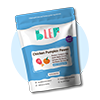
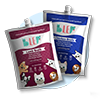







Yes, diet actually has a strong connection with inflammation in a dog’s body. 100% natural dog food with ingredients like omega-3 rich fatty fish, antioxidant-packed blueberries, leafy greens, as well as herbs and roots like rosemary, turmeric, etc. may reduce inflammation in the body of dogs. On the other hand, ultra-processed food with high-heat processing creates AGEs, which are compounds that have been linked to inflammation. Preservatives, chemicals, and low-quality ingredients in a dog food may also increase inflammation in the body.
Why does this matter?
-
The fact that food can reduce inflammation in dogs is hugely important in designing a wholesome, balanced, and healthy diet for dogs. In case of an illness, diet can then support healing and recovery since inflammation is the initial immune response of the body. Many diseases worsen from the inflammation stage.
-
In day to day life, an anti-inflammatory diet can also help as a preventive towards illnesses, since it strengthens the immune system and regulates immune response as well. It eases joint pain, improves mobility, and enhances skin/coat health too.
What do vets generally agree on?
When food goes through high-heat processing, a dark, burnt layer is formed on it because of the interaction of protein, fats, and sugar. This is called the Maillard reaction. AGEs are compounds that are generated from the reaction and are extremely harmful. The accumulation of AGEs in the body causes progressive metaflammation, oxidative stress, and structural damage, supporting chronic diseases like diabetes, cardiovascular diseases, and aging.
Now, studies have shown that feeding a minimally-processed diet shows an increase in branched-chain amino acid metabolism, creatine, carnosine, anserine, fatty acid metabolism, long-chain n-3 fatty acids, lipolysis, and ketogenesis. It also lowers AGE production, fatty acid synthesis, and creatinine, therefore reducing inflammation caused by AGEs.
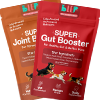
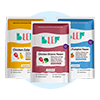
Apart from that, epidemiological data in humans and pets, and studies in rodents have shown that food, additives, low-fibre diets, preservatives, etc. may damage the intestinal barrier function and cause inflammatory disorders in dogs, such as including inflammatory bowel diseases (IBD). Natural food with high-quality, human-grade ingredients, zero additives and preservatives, such as BLEP dog food, thus acts like a preventive for inflammation as well.
When to be careful?
While diet and lifestyle plays a big part in the reduction and worsening of inflammation, inflammation is an immune response of the body. Getting to the root of the inflammation is very important if there is severe inflammation. Sometimes, it may be due to an infection or a chronic disorder, or even an advanced illness. Treating only inflammation, which is a symptom, may not be enough. Plus, it is very important to follow the vet’s advice. If they suggest medicines along with an anti-inflammatory diet, then the medicines must be regularly given according to the course. Only relying on diet to reduce inflammation will not work.