
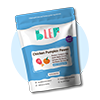
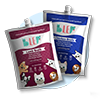
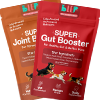
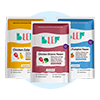







Preservatives are added in dog food to make it shelf-stable, but nowadays, there are many ways of ensuring shelf-stability, making preservatives a wholly unnecessary addition to dog food. Dog food with retort packaging, gently dehydrated dog food, frozen meals for dogs, etc. are shelf-stable and do not need preservatives. The perceived necessity of preservatives is a function of the manufacturing and distribution model, not of the dog's nutritional needs.
Why does this matter?
-
BHA (butylated hydroxyanisole) and BHT (butylated hydroxytoluene) are synthetic antioxidants used as preservatives in pet food to prevent fat from going rancid. The International Agency for Research on Cancer classifies BHA as a possible human carcinogen (Group 2B). BHT has also been flagged as a potential threat to liver and kidneys. Both are permitted in pet food in India and many other markets, but are more tightly restricted in the EU. They are added for the manufacturer's convenience, not for the dog's benefit.
-
Ethoxyquin is a chemical preservative used in fish meal and some dog foods. It was originally developed as a pesticide and rubber stabiliser, and is banned from human food in the EU and restricted in the US. It is still found in pet food in several markets and has been associated with liver and blood disorders in dogs. It is often not declared on the label when it arrives as a component of a preserved ingredient like fish meal rather than added directly to the finished product.
-
The most effective and cleanest alternative to chemical preservation is a food format that gives long-term stability using external methods, not additives, for example retort packaging.
What do vets generally agree on?
Veterinary nutritionists broadly agree that synthetic preservatives such as BHA, BHT, and ethoxyquin are not beneficial to dogs and are present in food solely for manufacturing and distribution reasons. The consensus is that a dog food free from artificial preservatives is preferable, and that fresh or minimally processed diets that eliminate the need for chemical preservation entirely represent the cleanest option. The trade-off between preservation and chemical additives is no longer necessary for pet parents.
When to be careful?
When evaluating whether a dog food contains preservatives, check the ingredient list carefully: BHA, BHT, ethoxyquin, propylene glycol, and sodium benzoate should all be treated as red flags. Also be aware that preservatives can enter a product through preserved raw materials without appearing on the label: fish meal preserved with ethoxyquin, for example, may not be disclosed. BLEP dog food sources human-grade ingredients from human food distributors and sources fresh veggies and fruits from local farms. It also contains zero preservatives. The shelf life of BLEP comes from retort packaging, not preservatives.
Sources: