







A high-quality, highly-digestible diet with soluble dietary fibre is the best kind of food for a dog’s gut health. A healthy gut has a balanced gut microbiome (i.e., a beneficial proportion of good and bad gut microbes); a strong intestinal lining, especially at the junctions; normal digestion and nutritional absorption; and low intestinal inflammation. The high-quality food is quickly digested and leaves minimal undigested residue. This inhibits the growth of bad gut microbes. Adding unsweetened curd to your dog’s diet can help balance gut microbes as it is a good source of probiotics. Fiber-rich pumpkin, sweet potatoes, carrots, etc., are also good for a dog’s gut health because the fibre acts as prebiotics, feeding good gut bacteria.
Why does this matter?
-
Your dog’s gut is full of good and bad gut microbes, forming a complex microbiome. This gut microbiome is very important for digestion and absorption of food.
-
The gut microbiome must be kept well-balanced at all times; that’s where the kind of food that your dog is eating comes into play.
-
A high-quality, highly digestible diet does not leave a lot of residue that can reach the colon and help the bad bacteria thrive.
-
Soluble fibres also provide food for good gut microbes. These good microbes then break down the food and help in absorption of nutrients. They also fight the bad gut bacteria and maintain balance.
What do vets generally agree on?
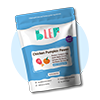
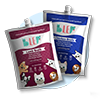
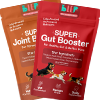
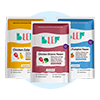
Vets generally agree that there is no one ‘best food’ for good gut health in dogs. What can be given to dogs is a diet that supports the gut. A high-quality, highly-digestible diet is what most vets recommend for good GI health in dogs. Soluble fibres from ingredients like pumpkin, oats, etc., also help, as they are fermented by good microbes turned into beneficial short-chain fatty acids. This lowers the gut pH level, which inhibits pathogens, improves stool consistency and helps with immunity. Fresh dog food with zero preservatives, fillers, or chemicals, such as BLEP dog food, is high in quality, easy to digest, and doesn’t distress the stomach, helping keep a healthy gut microbiome.
When to be careful?
When there is an underlying issue in the gut, such as a disease or an active reaction, just good quality food will not be able to improve gut health. In fact, feeding high-fibre food may actually backfire. Apart from that, frequent change of different diets in order to give the highest quality food may actually end up distressing the gut. Food should not be changed very often and any food changes must be gradual.
Sources:
-
https://wsava.org/global-guidelines/global-nutrition-guidelines/
-
https://www.vettimes.com/news/vets/small-animal-vets/importance-of-fibre-in-diet
-
https://www.petmd.com/dog/nutrition/evr_dg_whats_in_a_balanced_dog_food