







Balanced meals with high-quality protein, essential fatty acids, healthy carbs, and necessary vitamins and minerals can help your dog gain weight safely. The key is to provide healthy fat, not empty calories. Additionally, a slow and steady increase in weight is important, so as to not put strain on your dog’s joints or organs. Feeding 3–4 smaller meals throughout the day instead of 2 large meals is also better for healthy weight gain. Dog food with ingredients like chicken, lamb, eggs, flaxseeds, fish oil, sweet potato, etc., can help in this.
Why does this matter?
-
If you feed your dog high-calorie food, it is likely that they will gain weight. However, there is a difference between just gaining weight and gaining healthy weight. High calorie food with excess starch and sugar causes layers of visceral fat to form around organs, putting pressure on them. It may also cause inflammation and insulin resistance, leading to diabetes.
-
Healthy weight gain, on the other hand, is about an increase in muscle mass and subcutaneous fat, which stays right underneath the skin. This provides insulation and protects the muscle and bones. Excess of subcutaneous fat, too, is dangerous but some amount is necessary.
What do vets generally agree on?
If your dog is underweight, you first need to figure out why. Many underlying health conditions cause massive weight loss, so these conditions must be addressed first.
Apart from this, a sudden weight gain can be difficult for your dog to manage or put too much pressure on their joints or their organs. The increase in body weight should be gradual: 1–2% of body weight per week.
When to be careful?
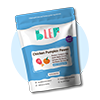
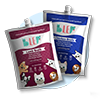
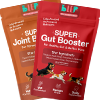
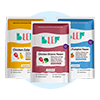
You need to be very careful when trying to get your dog’s body weight up. Firstly, it cannot be sudden. Do not feed a high-calorie meal suddenly. This can strain their pancreas and cause a sudden attack of acute pancreatitis. Secondly, it is best for your dog to gain muscle mass and subcutaneous fat. For this, a high-quality meal is required. Empty calories will also cause weight gain, but it’ll come from visceral fat that may cause harm to the organs. Food with high protein and essential fat content is required for weight gain. BLEP dog food contains high-protein chicken breast, fish oil, flaxseeds, cold-pressed sunflower oil, etc. for a balanced meal that helps with muscle mass and healthy weight gain. Make sure all changes in diet are slow and vet approved.