






The liver is the body's primary detox organ. It processes nutrients, filters toxins, and produces proteins essential for blood clotting and immunity. When it's compromised, what a dog eats directly affects how hard the liver has to work and whether it can recover. The right food can slow disease progression; the wrong food can accelerate it. Diets for dogs with liver disease should be high in quality, easily digestible, highly palatable, and fed as multiple small meals throughout the day. Ingredients like high-quality chicken, eggs, fish, leafy greens, fish oil, etc. are good for a dog’s liver.
Why does this matter?
-
The liver is the only organ capable of regenerating itself, but only if it's not being continuously overloaded. Diet is one of the most important tools that pet parents can use to keep the liver functioning optimally.
-
Water intake is extremely important when it comes to supporting liver health, because it detoxes the entire body.
What do vets generally agree on?
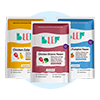
Adequate protein supports muscle mass and liver regeneration. For dogs, protein intake of 20–25% on a dry matter basis is recommended, from easily digestible, high-quality sources. When protein restriction is necessary, vegetable, dairy, and white meat protein sources are preferred over red meat or fish, as these may worsen signs of hepatic encephalopathy. Plain cooked chicken, paneer, or eggs are commonly used. Feeding a fresh, minimally processed food like BLEP dog food, with zero preservatives and additives help reduce the toxic load the liver has to handle daily. It also contains wholefood, high-quality ingredients that are easy to digest and nutrients that are more bioavailable for dogs.
When to be careful?
Protein restriction is only appropriate when hepatic encephalopathy is suspected, ammonium biurate crystalluria is observed, or portosystemic shunting is confirmed, so a thorough diagnosis and vet consultation is extremely important for liver disease. Check with your vet if you see any signs of liver disease in your dog, such as jaundice, vomiting, sudden weight loss, or disorientation, before making any major switches of diet. In fact, ‘liver disease’ is an umbrella term covering many distinct conditions of the liver, each with different dietary requirements.
Sources: