









The pancreas has two jobs: producing digestive enzymes and regulating blood sugar. Pancreatitis means the pancreas is inflamed, and in severe cases, those enzymes begin digesting the organ itself. Diet plays a direct role in either triggering flare-ups or helping the pancreas recover. Fat requires more pancreatic secretions to be digested and also delays digestion by reducing gastric emptying. This is why fat content is the first thing vets look at when managing this condition. Low-calorie diets are therefore essential for managing pancreatitis in dogs. Lean protein, like chicken breast, turkey, egg whites, and low-fat, low-fat paneer, etc. is good for dogs’ pancreas. Easily digestible carbs, such as rice, pumpkin, or sweet potato, may also be given.
Why does this matter?
-
Even just one large helping of fatty food in a single sitting may be enough to trigger an attack of pancreatitis. The biggest culprits are table scraps, garbage, un-attended human-food, etc.
-
Pancreatitis ranges from mild and manageable to severe and life-threatening. If left unmanaged, repeated episodes can lead to chronic pancreatitis, diabetes, or permanent loss of digestive enzyme function (exocrine pancreatic insufficiency).
What do vets generally agree on?
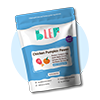
Low-fat gastrointestinal diets are frequently recommended in the initial management of pancreatitis in dogs. The Merck Veterinary Manual specifically states that feeding a low-fat diet (less than 20g fat per 1,000 kcal) is crucial for treatment success in dogs. Protein sources matter too. Lean, easily digestible proteins like plain cooked chicken, turkey, or white fish are preferred over fatty cuts or organ meats. Dogs with recurrent episodes may need a long-term low-fat diet. A minimally processed food like BLEP dog food, made with whole, lean ingredients and no hidden fats or ultra-processed fillers, is the kind of diet worth discussing with your vet as a long-term option. It is made with high-quality chicken breast and eggs, easily-digestible carbs like pumpkin, sweet potatoes, carrots, etc. and doesn’t contain high-calorie fillers like many ultra-processed foods.
When to be careful?
Not all pancreatitis is purely diet-triggered. Certain medications, severe trauma, high blood triglycerides, and hyperadrenocorticism are also recognised risk factors. Obesity is another major contributor; obese dogs are almost twice as likely to develop pancreatitis compared to dogs at a healthy weight. If your dog is vomiting, showing signs of abdominal pain, or refusing food, see a vet immediately. Pancreatitis is diagnosed through bloodwork and clinical examination, not diet observation alone. Never introduce a new diet during an active flare-up without veterinary guidance.
Sources:
-
https://www.merckvetmanual.com/digestive-system/the-exocrine-pancreas/pancreatitis-in-dogs-and-cats
-
https://avmajournals.avma.org/view/journals/javma/262/6/javma.23.11.0641.xml