







The best food for dogs with skin allergies differs based on the kind of allergy the dog has: food allergies or environmental allergies. In case of skin allergies due to food, switching to a highly-digestible, nutritionally-balanced diet that doesn’t contain the allergen is the standard procedure. If the allergen is environmental, food has a limited role. However, food may help in reducing inflammation, strengthening the skin barrier and boosting the immune system. Ingredients like blueberries, fish oil, spinach, carrots, broccoli, turmeric, etc., may give a boost to your dog’s immune system and also help reduce inflammation.
Why does this matter?
-
If we consider food allergies, protein is actually a fairly common allergen, such as chicken. So if your dog continues to eat food that contains the allergen, skin issues will not be resolved.
-
In case of environmental allergens, the food they eat can help in managing the condition. For example, food rich in omega-3 can help reduce inflammation and support the skin barrier.
What do vets generally agree on?
For food allergies, vets first recommend feeding a diet that doesn’t contain the sources of protein that your dog usually eats. So, if they usually have chicken-based and fish-based meals, they may suggest trying out a lamb, turkey-based or hypoallergenic meal for 6–8 weeks. Then, the old food is re-introduced. In this way, food-based allergens are identified.
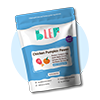
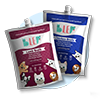
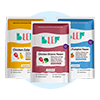
If the allergen is not a food item, then food that is rich in omega-3 and omega-6 can fight off inflammation-causing eicosanoids, reduce itching, and strengthen the skin barrier. High-quality protein gives amino acids that help in keratin production for healthy skin. Plus, antioxidant-rich food reduces oxidative stress and helps enhance immunity. If your dog is allergic to chicken, BLEP’s Lamb Blueberry Fresh Dog Food and BLEP Lamb Bone Broth are good options to try out. They are made with goat meat, which can be an alternative protein source. Plus, the food contains blueberries, which are a great source of antioxidants and the bone broth is packed with collagen to help strengthen the skin and reduce itching.
When to be careful?
There are certain things that you must be careful with. Do not keep changing food rapidly to try and find the food allergen. This may cause stomach upset as it takes time for dogs to switch from one diet to another. When feeding the omega fatty acids, make sure the proportion of omega-3 and omega-6 is correct. Too much omega-6 may cause inflammation instead of inhibiting it. Low-quality protein also doesn’t give enough amino acids, therefore compromising the skin barrier. Nutritional deficiencies, such as that of zinc, essential fatty acids, protein, etc., may sometimes also lead to skin allergies.
Sources: