







The best dog food for senior dogs should be low in calories for better weight management, rich in glucosamine and chondroitin for joint support and made with high-quality protein from sources like chicken breast, lean cuts of lamb, turkey breast, etc. to combat muscle degeneration. Portion control is very important for senior dogs: their total daily dietary needs may be divided into small 2–4 meals.
Water is the other consideration when planning your senior dog’s diet. Make sure they’re drinking enough water. You can also add water or collagen-rich bone broths to their meals to make the food easier to eat and to increase hydration.
Why does this matter?
-
Senior dogs must be given low-calorie food to help their sensitive digestion as well as to ensure that their weight is under control. If they become overweight or develop diseases that are related to obesity, such as diabetes, hypertension, etc., it is more difficult to manage for senior dogs.
-
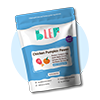
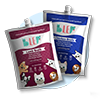
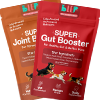
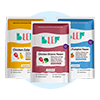
Ageing affects bones and joints in any case. Added obesity causes even more bone and joint damage in senior dogs because the ageing joints are unable to hold on to the excess weight. This makes them even more sedentary, leading to a greater increase in weight, thus turning into a vicious cycle. This is why food rich in glucosamine and chondroitin is also required for a senior dog’s diet to give them extra support and protection. Bone broths are packed with collagen, glucosamine, and chondroitin, which is great for senior dogs. Both BLEP chicken bone broth and BLEP lamb bone broth can be added to senior dogs’ meals to help with digestion as well as give a boost to their joints.
What do vets generally agree on?
Senior dogs don’t require as much energy as adult dogs, and certainly not as much energy as puppies. In fact, their energy requirements decrease about 12%–13%. This is why senior dogs need to be fed a low-calorie diet. Since their muscles and joints start going through natural degradation due to age, they need to be supported as well. Therefore, highly-digestible, high-quality, bioavailable protein should be fed to senior dogs. Ultra-processed food made with meat by-products and derivatives may not be able to fulfil all their protein needs and the preservatives & fillers may cause digestive issues as senior dogs have very sensitive stomachs.
When to be careful?
Even though they are senior dogs and have less need for calories, the calories shouldn’t be cut to an extreme extent. This is because they will still need calories to do their basic bodily functions and to keep active, which is important for senior dogs. Their bodies are already losing protein, therefore they shouldn’t be forced to use protein as an energy source due to underfeeding. Plus, make sure there is enough omega-3 and omega-6 fatty acids in their meals. These help in reducing inflammation and support joint health. Just like overfeeding, underfeeding should also be avoided.
Sources:
-
https://vcahospitals.com/know-your-pet/feeding-mature-and-senior-dogs
-
https://www.foxcreekveterinaryhospital.com/what-is-the-healthiest-food-for-a-senior-dog/