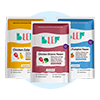







Urinary crystals in cats are not just uncomfortable; they can be life-threatening. Male cats are particularly at risk of urethral blockages from crystal buildup, which is a veterinary emergency. The single most important dietary factor in preventing urinary crystals is moisture. Cats evolved as desert animals with a naturally low thirst drive, meaning they are biologically designed to get most of their water from food. An ultra-processed dry dog food diet (which contains only 8 to 10% moisture) may leave cats in a state of chronic mild dehydration, making urine more concentrated and far more prone to crystal formation. Fresh or wet food with high moisture content, fed daily, helps reduce urinary crystal risk. BLEP cat food is made with high-moisture, human-grade animal protein as its primary ingredient, naturally supporting urinary tract health every time your cat eats.
Why does this matter?
-
The most common types of urinary crystals in cats are struvite (magnesium ammonium phosphate) and calcium oxalate. Both form more readily in concentrated, pH-imbalanced urine. A moisture-rich diet dilutes the urine, making crystal formation significantly less likely.
-
Cats on exclusively dry food have been shown to produce more concentrated urine with a higher specific gravity than cats fed wet or fresh food, directly increasing their crystalluria risk. Research confirms that cats fed wet food produce urine with a lower specific gravity and greater urine volume, both of which are protective against crystal formation.
-
Diet affects urinary pH, which is critical. Struvite crystals form in alkaline urine (pH above 7), while calcium oxalate forms in acidic urine (pH below 6). A well-balanced, high-protein, fresh diet helps maintain urine pH in the target range of 6.2 to 6.5, the zone where neither crystal type thrives.
What do vets generally agree on?
Vets are in broad agreement that hydration is the cornerstone of urinary crystal prevention in cats. Beyond moisture, protein content matters significantly. Cats are obligate carnivores with a high dietary protein requirement. A high-quality animal protein diet (with named meat like chicken, turkey, or fish as the first ingredient) produces a more acidic urine, which discourages struvite crystal formation. Magnesium and phosphorus levels in food also matter: excess magnesium contributes to struvite formation, and food with high inorganic phosphorus places unnecessary load on the kidneys. Fresh, minimally processed cat food made with real meat, no fillers, and adequate hydration reduces the urinary crystal risk in multiple ways simultaneously: through increased moisture intake, better urine dilution, appropriate protein-driven urine acidification, and a lower mineral load from whole-food ingredients compared to synthetic additives.
When to be careful?
If your cat has already been diagnosed with a specific crystal type, their dietary management needs to be tailored to that type, and this requires veterinary guidance. The dietary approach for struvite crystals is different from that for calcium oxalate, and getting it wrong can make things worse. Never switch to a prescription urinary diet without a confirmed diagnosis and vet guidance. Adding liquid toppers like BLEP bone broth for cats to food is a practical way to increase a cat's moisture intake without fighting their natural resistance to drinking water. Watch for signs like straining to urinate, frequent trips to the litter box with little output, crying during urination, or blood in urine. These warrant an immediate vet visit.
Sources: