







Yes, diet can influence a cat's urinary health, but it is usually not the only factor. The amount of water a cat consumes, the balance of minerals in the diet, urine concentration, urine pH, body weight, and stress levels can all affect the risk of certain urinary conditions. Cats that eat very little moisture may produce more concentrated urine, which can increase the likelihood of crystal or stone formation in susceptible cats. A nutritionally complete diet with balanced mineral levels, together with good hydration, can help support a healthy urinary system. However, urinary problems such as feline idiopathic cystitis (FIC) are often influenced by multiple factors, including stress and the cat's environment, not just food. Studies have shown that increasing water intake through moisture-rich diets may reduce the recurrence of some lower urinary tract conditions in cats.
Why does this matter?
-
Urinary problems can be painful and may become life-threatening, particularly if a cat develops a urinary blockage. Cats are naturally low-thirst animals, so they often don't drink enough water to fully compensate for a dry diet. This can lead to more concentrated urine, which may increase the risk of crystal formation in some cats.
-
Supporting hydration through a fresh food diet, alongside providing fresh drinking water, is one of the simplest ways to promote urinary health. Maintaining a healthy body weight and reducing stress are also important parts of preventing urinary tract problems.
What do vets generally agree on?
Maintaining good hydration is one of the most important nutritional strategies for supporting urinary health in cats. Moisture-rich diets increase total water intake, dilute the urine, and may reduce the risk of crystal and stone formation in susceptible cats. Vets also recommend feeding a complete and balanced diet with appropriate mineral levels rather than attempting to restrict individual minerals at home, as nutritional imbalances can do more harm than good.
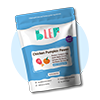
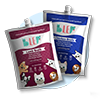
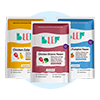
For many cats, BLEP fresh cat food is a practical way to support hydration while providing complete and balanced nutrition. It is moisture-rich because it is prepared in bone broth. Plus, it is protein-first, made with 100% natural, human-grade ingredients, and contains zero preservatives, zero added sugar, and zero fillers.
When to be careful?
Not every urinary problem is caused by diet. Stress, obesity, anatomical abnormalities, bladder stones, infections, and other medical conditions can all affect a cat's urinary tract. Male cats are especially at risk of developing urinary blockages, which are a medical emergency.
If your cat is straining to urinate, crying in the litter box, producing only a few drops of urine, passing blood in the urine, repeatedly visiting the litter tray, or stops urinating altogether, seek veterinary care immediately. Dietary changes can support long-term urinary health, but they cannot treat an active urinary obstruction or infection.
Sources
-
https://justcatsclinic.com/cat-nutrition-wet-vs-dry-water-intake-and-urinary-health/
-
https://www.waltham.com/news-events/nutrition/cats-can-benefit-from-increased-dietary-moisture
-
https://icatcare.org/articles/feline-idiopathic-cystitis-fic-in-cats