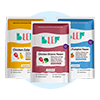







Yes, dogs can eat some human foods in small amounts, but kitchen leftovers should not become a regular part of their diet. Plain, dog-safe foods such as boiled chicken; boiled vegetables like carrots, cucumbers, pumpkin, sweet potatoes, etc.; rice; oats; eggs; and others may be given to a dog. However, a high-quality, balanced meal is what they should be eating daily. Table scraps, especially food containing excess oil, salt, spices, sauces, or ingredients that are dangerous for dogs should be completely avoided.
Why does this matter?
The biggest problem with feeding leftovers isn't simply that they are “human food.” It is that you may not know exactly how much fat, salt, seasoning or potentially toxic ingredients your dog is getting. Rich or fatty leftovers can cause digestive upset and may contribute to pancreatitis, while repeated extra calories can contribute to weight gain.
There is also a safety issue. Foods commonly found in human kitchens, including chocolate, grapes and raisins, onions, garlic, xylitol, alcohol, caffeine, macadamia nuts, etc., can be harmful or toxic to dogs. Cooked bones can also splinter and cause gastrointestinal injury or obstruction. It is best to give them food that’s formulated specifically for their needs.
What do vets generally agree on?
A dog's main diet should be complete and balanced, and formulated for their needs, rather than being built around whatever is left over from the family's meals.
If you want to share human food, think of it as an occasional treat rather than a replacement for their regular food. Small portions of plain, unseasoned, properly cooked foods can be appropriate for many healthy dogs.
This is also why feeding a measured amount of a complete diet, such as BLEP dog food, makes it easier to know that your dog is getting the nutrients they need every day, while keeping extras within reasonable limits.
When to be careful?
Be particularly careful with leftovers containing gravy, sauces, masala, excessive salt, butter, cream or large amounts of fat. Never intentionally give your dog food containing onions, garlic, grapes, raisins, chocolate, xylitol, alcohol or caffeine. Raw yeast dough and bones are also unsafe.
If your dog has eaten something potentially toxic, don't wait for symptoms to appear. Contact your veterinarian promptly and tell them what was eaten, approximately how much, and when. Human food and drinks were among the ASPCA's top categories of pet toxin exposures in 2025.
Sources
-
https://www.merckvetmanual.com/special-pet-topics/poisoning/food-hazards
-
https://www.aspca.org/pet-care/aspca-poison-control/people-foods-avoid-feeding-your-pets
-
https://wsava.org/wp-content/uploads/2025/11/WSAVA_GuidetoTreats_Dogs_251107.pdf