






Food and feeding habits may help reduce the risk of bloat, or gastric dilatation-volvulus (GDV), but they cannot completely prevent it. Feeding smaller meals more frequently, avoiding one large meal a day, slowing down dogs that eat very quickly with puzzle lick mats and slow-feeders, reducing stress around mealtimes and avoiding strenuous exercise around meals are commonly recommended risk-reduction measures. However, factors such as breed, body shape, age, genetics and family history also influence GDV risk.
Why does this matter?
-
Bloat is not simply an upset stomach. GDV occurs when the stomach becomes distended and then twists, which can cut off blood flow and become life-threatening very quickly.
-
Eating one large meal a day and eating very quickly are recognised risk factors, particularly in dogs already predisposed to GDV.
-
Large, deep-chested dogs, including breeds such as Great Danes, German Shepherds, Standard Poodles and Dobermans, are at higher risk. However, any dog can develop GDV.
-
Research has suggested associations between certain diets or feeding patterns and risk, but there is no single food or ingredient that has been proven to prevent bloat.
What do vets generally agree on?
For dogs at risk of GDV, veterinary guidance commonly recommends:
-
Feed two or more smaller meals rather than one large meal a day.
-
Slow down fast eaters using appropriate slow-feeders, food puzzles or other feeding methods.
-
Keep mealtimes calm and reduce competition or stress around food.
-
Avoid strenuous exercise and vigorous play around meals. Allow your dog to rest after eating.
-
Avoid elevated food bowls unless your veterinarian has specifically recommended one for another medical reason. Merck Veterinary Manual specifically lists avoiding elevated bowls among recommendations for dogs at high risk of GDV.
-
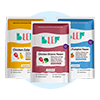
Feed an appropriate, complete and balanced diet and maintain a healthy body condition. BLEP fresh dog food is highly-digestible, and great for weight management, so it is a convenient option. You can also spread it on a puzzle lick mat and give it to dogs who eat too fast or too much.
For dogs with a particularly high risk of GDV, feeding habits alone may not be enough. Preventive gastropexy, a surgical procedure that attaches the stomach to the abdominal wall, can greatly reduce the risk of the stomach twisting. It does not prevent the stomach from becoming distended, but it helps prevent the life-threatening volvulus.
When to be careful?
Be especially proactive if you have a large or deep-chested dog, a dog with a close relative that has had GDV, or a dog with other known risk factors. Discuss your dog's individual risk with your veterinarian, including whether preventive gastropexy is appropriate.
Most importantly, know the warning signs. Restlessness, pacing, excessive drooling, repeated attempts to vomit without bringing anything up, a swollen or painful abdomen, weakness, pale gums or collapse can be signs of GDV.
GDV is a veterinary emergency. If you suspect your dog has bloat, do not wait to see whether it gets better and do not try to treat it at home. Seek emergency veterinary care immediately.
Sources
-
https://www.aaha.org/resources/understanding-canine-bloat-gdv-a-medical-emergency/
-
https://www.akc.org/expert-advice/nutrition/lick-mats-for-dogs/