








One of the most common misconceptions is that homemade feeding is always automatically healthier than commercially prepared pet food. While fresh home-prepared meals can absolutely be part of a balanced diet, nutritional adequacy depends on factors such as formulation, portion balance, ingredient variety, and consistency rather than whether a food is homemade or commercially prepared alone.
Another common myth is that changing foods frequently or constantly trying new feeding trends is always beneficial for pets. In reality, many dogs do best on diets that provide consistent, balanced nutrition suited to their individual needs, lifestyle, digestion, and activity level. Sudden or unnecessary food changes may sometimes contribute to digestive upset or inconsistent feeding routines in some pets.
Many pet parents also assume that expensive or imported food is automatically nutritionally superior. However, veterinarians generally evaluate food quality based more on overall nutrient balance, digestibility, ingredient transparency, safety standards, and suitability for the individual pet rather than price point or marketing perception alone.
Why does this matter?
• Common feeding myths may sometimes lead to nutritionally imbalanced diets. Marketing claims and internet trends can also sometimes create confusion around healthy feeding practices.
• Dogs and cats have species-specific nutritional requirements that differ from human dietary trends.
• Overfeeding treats, milk, table scraps, or unbalanced homemade diets may contribute to health issues over time.
• Understanding evidence-based nutrition can help support long-term wellbeing and appropriate weight management.
What do vets generally agree on?
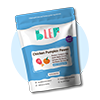
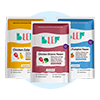
Veterinary nutrition experts generally agree that pets require nutritionally balanced diets appropriate for their species, life stage, activity level, and medical needs. Fresh dog food diets like BLEP dog food and cat food are particularly good for long-term health.
In fact, milk is not considered nutritionally necessary for adult dogs and cats, and some animals may have difficulty digesting lactose.
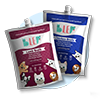
Many veterinarians encourage pet parents to focus on ingredient quality, balanced nutrition, digestibility, and feeding consistency rather than relying on trends or myths. Food toppers made with clearly identified ingredients and balanced formulations, such as BLEP lamb broth, may also be incorporated into feeding routines to give a nutritional boost to an unbalanced diet.
When to be careful?
Pet parents should avoid making major dietary changes based purely on internet trends, unverified advice, or assumptions about ingredients. Restrictive diets or unbalanced homemade feeding routines may sometimes create nutritional deficiencies over time.
It is also important not to assume that occasional symptoms such as itching, loose stools, or picky eating automatically indicate food allergies. Many digestive or skin-related symptoms can have multiple underlying causes that require proper evaluation.
Pets with medical conditions, digestive disorders, obesity concerns, allergies, or specialised dietary needs should ideally be evaluated by a veterinarian before significant feeding changes are introduced.
Sources:
-
https://www.akc.org/expert-advice/nutrition/homemade-dog-food/
-
https://vcahospitals.com/know-your-pet/nutrition-general-feeding-guidelines-for-dogs