






Yes, food can affect your cat's coat and, to some extent, how much they shed. A healthy coat depends on receiving enough high-quality protein, since hair is made primarily of protein, along with essential nutrients such as omega-3 and omega-6 fatty acids, vitamins, and minerals. If a cat's diet is incomplete or poorly balanced, their coat may become dull, dry, brittle, or shed more than usual.
That said, shedding is a normal part of a cat's hair growth cycle. While good nutrition supports healthy skin and fur, it won't completely stop natural shedding, especially during seasonal coat changes, and it shouldn’t. Old fur needs to go so new fur can replace it. It is a healthy process.
Why does this matter?
-
The skin is the body's largest organ, and the coat is often one of the first places where nutritional deficiencies become visible.
-
Because growing and maintaining fur requires a continuous supply of nutrients, poor-quality nutrition may affect coat shine, hair strength, and skin health before other signs become obvious.
-
A healthy skin barrier also helps protect cats from environmental irritants and supports overall wellbeing. Keeping the skin nourished can therefore contribute to a healthier, softer coat and normal shedding patterns.
What do vets generally agree on?
The foundation of a healthy coat is a diet containing sufficient high-quality animal protein and essential fatty acids. In particular, omega-3 fatty acids from fish oil help support normal skin health and healthy inflammatory responses, which may improve coat quality.
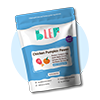
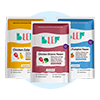
Made with 100% natural and formulated to be protein-first, BLEP cat food helps cats get skin-friendly nutrients for a shiny and healthy coat. All the recipes contain fish oil, providing omega-3 fatty acids that help support a healthy skin and contributing to normal inflammatory responses.
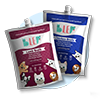
For pet parents looking to add extra moisture to their cats’ meals and a shot of skin-nourishing collagen, BLEP’s slow-cooked bone broths for cats are also a great addition to their feeding routine.
When to be careful?
Excessive shedding, bald patches, persistent scratching, dandruff, scabs, skin redness, or sudden changes in coat quality are not usually explained by diet alone. Parasites, allergies, fungal infections, hormonal disorders, stress, and other medical conditions can all affect the skin and coat too. If your cat develops significant hair loss, itchy skin, wounds, or a dull coat despite eating a balanced diet, consult your veterinarian.
Sources