
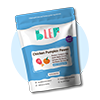
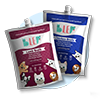
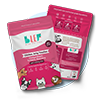
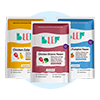







Yes, and the degree of destruction depends directly on the type of processing and the temperature it involves. This is not a fringe opinion; it is well-documented nutritional science. High-heat manufacturing methods ( for example, extrusion for ultra-processed food) denature proteins, degrade heat-sensitive vitamins, reduce amino acid bioavailability, destroy naturally occurring enzymes and beneficial bacteria, and generate toxic compounds called Advanced Glycation End Products (AGEs). The higher the temperature and the longer the exposure, the greater the nutrient loss. Gentle cooking at lower temperatures, as used in fresh pet food, causes far less degradation and retains significantly more of the food's natural nutritional value. BLEP cat food is gently cooked at lower temperatures in retorting machines, which is why its nutritional profile more closely resembles real, whole food than a processed product.
Why does this matter?
-
Ultra-processed cat food is produced through extrusion: ingredients are ground, mixed with water into a dough, forced through a die under high pressure, and cooked at temperatures typically exceeding 150 degrees Celsius. This single step destroys a significant proportion of heat-sensitive nutrients including vitamin B1 (thiamine), vitamin C, folate, and naturally occurring enzymes. Manufacturers spray synthetic vitamins back onto the finished product to compensate, but synthetic vitamins are not bioavailable in the same way as naturally occurring ones.
-
The Maillard reaction, triggered by heat, causes proteins to bond irreversibly with sugars, reducing the bioavailability of essential amino acids like lysine by up to 61.8% in extruded food. For cats, who depend on dietary animal protein for amino acids they cannot synthesise (including taurine, arginine, and methionine), this loss is not trivial. A cat food that lists a high crude protein percentage may still be delivering significantly less bioavailable protein than its label suggests.
-
Advanced Glycation End Products (AGEs) are produced when proteins and sugars react under heat. Research has found that extruded pet food contains dramatically higher concentrations of AGEs than fresh, gently cooked food. AGEs accumulate in the body over time and are associated with oxidative stress, chronic inflammation, and accelerated cellular ageing.
What do vets generally agree on?
Veterinary nutritionists broadly agree that processing affects nutrient quality, and that the extent of the effect depends on processing method and temperature. The field increasingly distinguishes between 'nutritionally adequate' food (food that meets minimum thresholds set by bodies like AAFCO) and 'nutritionally optimal' food (food that delivers nutrients in their most bioavailable, least degraded form). A heavily processed dog food can be technically complete on paper while delivering meaningfully less nutritional value in practice. The growing body of research comparing fresh diets to processed ones consistently favours fresh food on measures of digestibility, amino acid bioavailability, gut microbiome diversity, and inflammatory biomarker levels.
When to be careful?
Not all processing is harmful: gentle cooking kills pathogens, improves digestibility of certain proteins, and makes food safe. The issue is not cooking per se, but the temperature, duration, and pressure involved. When evaluating a pet food brand, ask specifically what cooking method is used and at what temperature. 'Gently cooked' is a meaningful differentiator from 'extruded'. BLEP cat food is slow-cooked in broth to maximise nutritional value of the ingredients. It also undergoes independent third-party lab testing for nutritional completeness, heavy metals, safety, and shelf life.
Sources:
