







When your dog is on antibiotics, it is essential to feed a bland, easily-digestible, nutrient-rich diet. Their diet should contain high-quality lean protein like chicken breast, healthy fats like eggs, small amounts of fresh fruits and vegetables, and a good amount of moisture. This helps them fight off infection, as well as give their gut bacteria the nutrients they need to maintain themselves. Other beneficial additions to their diet include probiotics; fibre-rich ingredients like sweet potatoes, green beans, and broccoli; and bone broths for hydration and gut soothing.
Why does this matter?
-
Feeding a small amount of food alongside antibiotics is good for your dog to help coat the stomach and reduce irritation to the stomach lining. The medicines are also usually better tolerated when given with food.
-
Fibre-rich food helps in two ways. First, it acts as food for good gut bacteria and helps them fight against the bad gut bacteria in order to restore balance in the gut microbiome. Second, it absorbs excess water from the large intestine, which helps in giving stool a healthy consistency. This is especially important because a common side effect of antibiotics is diarrhea.
What do vets generally agree on?
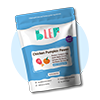
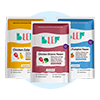
When your dog eats antibiotics, it causes a massive disbalance in the gut microbiome that contains both good and bad bacteria. This is called dysbiosis. This gut bacteria is extremely necessary for digestion, nutrient absorption, and immune function, therefore restoring it is necessary. A good diet can help with that. BLEP dog food is 100% natural and has a good amount of soluble fibre that can help with stabilising stool consistency and feeding good gut bacteria.
Adding probiotics like Lactobacillus, Saccharomyces, Bacillus, Bifidobacterium, and Enterococcus, etc., are a great way of restoring the gut microbiome balance. However, timing is important, because probiotics are delicate. Probiotics should be given 1–2 hours after the antibiotic dose so that the medicine doesn’t immediately destroy the probiotics. In this case, Saccharomyces boulardii is a great probiotic to add. It is yeast-based, so it is resilient in the face of antibiotics and is not destroyed easily.
When to be careful?
While it is generally recommended that antibiotics be given with small meals, some antibiotics may react with food differently. So, make sure that you ask your vet in detail regarding the nature of the medicine. Avoid introducing any new food suddenly to their diet. The stomach is already vulnerable during an antibiotic course. So, it’s best to wait it out and feed a simple, bland meal. In fact, the effects of antibiotics may continue a couple of weeks after the course ends too. This includes a slight lack of appetite. Carefully monitor their health during this time.
Sources: