









Protein is an essential nutrient that supports muscle maintenance, tissue repair, immune function, and overall health in dogs. The amount of protein a dog requires each day can vary depending on factors such as age, breed, activity level, and overall health condition. Puppies, active dogs, and working breeds generally require higher protein intake compared to less active adult dogs. Pregnant, lactating, and aging dogs may require a slightly higher amount of protein than adult dogs as well. On average, a dog needs more than 2.55 g of protein per kg of body weight per day.
Dogs commonly obtain dietary protein from ingredients such as chicken, fish, lamb, eggs, and other animal- or plant-based protein sources. According to nutritional standards established by organisations such as the Association of American Feed Control Officials (AAFCO), adult dogs require a minimum crude protein level of 18% on a dry matter basis for maintenance, while growing puppies and reproducing females require a minimum of 22.5%. However, individual nutritional needs may vary depending on the dog’s lifestyle and health status.
Why does this matter?
-
Protein supports the maintenance of muscles, skin, coat, nails, and other body tissues. Amino acids derived from protein are involved in the production of enzymes, hormones, and components of the immune system.
-
Puppies and highly active dogs generally require more protein to support growth, physical activity, and tissue development.
-
Appropriate protein intake may help support the maintenance of lean body mass in aging dogs.
-
The digestibility and quality of protein sources can influence how effectively nutrients are absorbed and utilised by the body.
-
Feeding a complete and balanced diet helps ensure dogs receive adequate protein along with other essential nutrients required for overall health.
What do vets generally agree on?
Veterinary nutrition experts generally agree that dogs should be fed complete and balanced diets formulated according to recognised nutritional standards. Protein intake should be appropriate for the dog’s life stage, activity level, and health condition.
Veterinarians commonly consider several factors when evaluating dietary protein sources, including ingredient quality, amino acid profile, digestibility, and the overall nutritional balance of the food. Animal-based ingredients are frequently used in dog food formulations because they provide protein along with other nutrients that contribute to balanced nutrition.
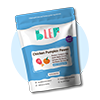
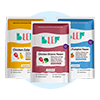
Experts also emphasise that protein should be evaluated as part of the overall diet rather than in isolation. A diet containing adequate protein but lacking balanced levels of fats, vitamins, minerals, or calories may still not meet a dog’s nutritional requirements. That’s why BLEP dog food has been formulated keeping this balance in mind: it contains whole-food animal protein sources, low-calorie veggies, superfoods like flaxseed and fish oil and other ingredients that make it a complete meal for daily feeding.
When to be careful?
Although protein is an essential nutrient, dietary needs can vary significantly between individual dogs. BLEP dog food offers a high-protein diet made with 100% natural, human-grade meat, which gives high protein bioavailability to dogs. Dogs with certain medical conditions, including some kidney or liver disorders, may require specialised nutritional management under veterinary supervision. In such cases, veterinarians may recommend adjusted protein levels based on the dog’s specific health requirements.
Sources:
-
https://www.petmd.com/dog/nutrition/evr_dg_whats_in_a_balanced_dog_food
-
https://improveinternational.com/uk/clinical-library/nutrition-requirements-of-senior-pets
-
https://www.vin.com/apputil/content/defaultadv1.aspx?pId=11181&id=3852156&print=1