





Healthy dog treats should be nutritious, appropriate for your dog's size and age, and given in moderation. The best treats are simple, minimally processed options with clearly listed ingredients and no unnecessary added sugar, excessive salt or potentially harmful ingredients. Treats should complement your dog's complete and balanced diet rather than replace it, and ideally make up no more than about 10% of their daily calorie intake.
Why does this matter?
-
Treats are extras, so they can add a surprising number of calories to your dog's diet. Regularly giving too many can contribute to excess weight and obesity, even when the dog's main food is nutritionally complete.
-
Treats should not displace the nutrients your dog gets from their complete and balanced food. If treats make up too much of the diet, your dog may not get the right balance of essential nutrients.
-
Some treats contain large amounts of sugar, salt, fat, and preservatives, which is not appropriate for dogs. Reading the ingredient list can help you avoid unnecessary risks.
-
Treats can still have a useful role. They can be used for training, positive reinforcement or simply as an occasional way to bond with your dog.
What do vets generally agree on?
When choosing treats, look for options that are:
-
Appropriate for your dog's size: A treat that is tiny for a large dog may be a large calorie contribution for a small dog.
-
Simple in ingredients: Choose treats with ingredients you recognise and avoid treats with unnecessary additives.
-
Moderate in calories: Smaller or lower-calorie treats make it easier to stay within your dog's daily calorie allowance.
-
No added sugar and excessive salt: Dogs do not need added sugar or salt in their treats.
-
Suitable for your dog's life stage and health: Puppies, senior dogs and dogs with particular dietary needs may require different choices from each other.
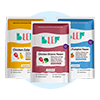
A useful general guideline is to keep treats and other extras to around 10% of your dog's daily calories, with the remaining calories coming from a complete and balanced diet. You can also use small pieces of your dog's regular food as treats, particularly during training, such as carrots, apples, pumpkin, boiled chicken, blueberries, etc. You can also try BLEP’s chicken jerky treats, which are made of pure chicken breast, with just a little bit of turmeric and rosemary. It’s high in protein, low in calories, and loved by dogs.
When to be careful?
Food items that contain chocolate, xylitol, grapes or raisins, macadamia nuts, onions or garlic, etc., may be treats to us, but these ingredients can be harmful or toxic to dogs.
Treats that are very fatty can also be problematic for some dogs. Dogs with a history of pancreatitis, obesity, diabetes, food allergies or other medical conditions may need treats that fit their specific dietary requirements.
Size and texture matter too. Very hard or large treats can present a choking risk, particularly for small dogs or dogs that tend to swallow food quickly. Always supervise your dog with unfamiliar treats and choose a size and texture that is appropriate for them.
Finally, remember to check the ingredients, calories and portion size before giving your dog any new treats.
Sources