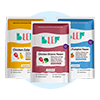







Yes, diet can have a big impact on a dog's coat, but it is only one piece of the puzzle. A healthy coat depends on your dog getting the right balance of high-quality protein, essential fatty acids (especially omega-3 and omega-6), vitamins, and minerals. These nutrients help build strong hair, support the skin barrier, and maintain the natural oils that give the coat its shine. Dogs that are deficient in certain nutrients may develop a dull coat, dry or flaky skin, itchiness, or excessive shedding. Research also suggests that diets containing adequate omega-3 fatty acids may improve coat quality and support skin health in some dogs. However, coat problems can also be caused by allergies, parasites, hormonal diseases, infections, or underlying medical conditions, not just diet. So, if your dog is in excessive discomfort, it is important that you talk to a vet to figure out the cause of the problem.
Why does this matter?
Your dog's skin and coat are often one of the first places where nutritional problems become visible. A shiny, soft coat usually reflects good overall health, while persistent dryness, excessive shedding, or poor coat quality may be an early sign that something is wrong.
Since hair is made primarily of protein, dogs need a complete and balanced diet to continuously replace old hair with healthy new growth. Good nutrition also helps maintain the skin's natural protective barrier, making it more resilient to irritation and environmental stress.
What do vets generally agree on?
Veterinarians generally agree that dogs should be fed a complete and balanced diet that provides enough high-quality protein, essential fatty acids, vitamins, and minerals. They also recommend maintaining a healthy body weight, as overall nutrition affects skin and coat health just as much as individual nutrients. Omega-3 fatty acids, particularly EPA and DHA, are commonly recommended to support healthy skin and coat, although they are not a cure for every skin condition.
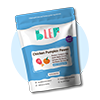
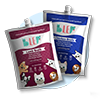
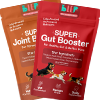
If your dog's coat looks dull or dry, choosing a nutritionally complete, high-protein fresh food such as BLEP dog food may help provide the balanced nutrition needed for healthy skin and coat. Some dogs may also benefit from coat supplements for dogs that provide targeted support to the skin and coat.
When to be careful?
A poor coat does not always mean your dog's diet is the problem. Fleas, mites, food or environmental allergies, bacterial or fungal infections, thyroid disease, Cushing's disease, and other medical conditions can all affect the skin and coat.
If your dog develops sudden hair loss, severe itching, red or inflamed skin, sores, or persistent coat changes despite eating a balanced diet, consult your veterinarian. Nutrition can support healthy skin, but it cannot replace treatment for an underlying medical condition.
Sources