






A diet transition for dogs typically takes around 9–10 days, although the ideal transition period can vary depending on the dog’s age, digestive sensitivity, medical history, and the type of food being introduced. Gradual transitions are generally recommended because sudden dietary changes may contribute to diarrhoea, vomiting, bloating, or temporary digestive discomfort in some dogs.
Most transitions involve mixing a little of the new food into the current diet for the first few days, then slowly increasing the proportion of the new food while decreasing the previous food over the next few days. In 9–10 days, dogs get used to the new food. This gradual adjustment may help support digestive adaptation, especially when changing between foods with different ingredients, moisture levels, protein sources, or fat content.
Some dogs with sensitive stomachs, chronic digestive conditions, or previous food intolerances may require even slower transitions under veterinary guidance. Monitoring stool quality, appetite, hydration, and overall behaviour during the process can help determine whether the transition is progressing appropriately.
Why does this matter?
• Gradual transitions may help reduce digestive upset during food changes.
• Dogs often need time to adapt to different ingredients and nutrient profiles.
• Sudden food changes may contribute to diarrhoea or vomiting in sensitive dogs.
• Transition speed may vary depending on the dog’s digestive tolerance and health status.
• Monitoring digestion can help assess how well a dog is tolerating a new diet.
What do vets generally agree on?
Veterinary nutrition experts generally agree that introducing new food gradually over about 9–10 days is appropriate for most healthy dogs. Slower transitions may sometimes be recommended for dogs with digestive sensitivities or medical conditions affecting the gastrointestinal system.
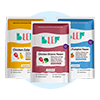
Experts also commonly note that changes in protein sources, fibre levels, moisture content, or fat composition may influence how quickly a dog adapts to a new food. For fresh dog food like BLEP, the recommended transition period is about 9–10 days. To know more, check out the BLEP Feeding Guideline page.
When to be careful?
Pet parents should avoid abrupt dietary changes unless specifically instructed by a veterinarian. Rapid transitions may increase the likelihood of digestive upset, especially in dogs with sensitive stomachs or previous gastrointestinal issues.
Persistent diarrhoea, vomiting, lethargy, refusal to eat, dehydration, or severe stool changes during a transition may indicate that veterinary evaluation is needed. Puppies, senior dogs, and dogs with chronic medical conditions may require additional monitoring during feeding changes.
Introducing too many new foods, treats, or supplements at the same time may also make it more difficult to identify what the dog is reacting to during the transition process.