






If a dog food suits your dog, the signs will show up in their digestion first. The initial sign of a dog food that’s good for your little one is it makes their poop healthy: medium/dark brown in colour, firm but moist, scoopable, and segmented. Slowly, good dog food will start improving their skin and coat, their energy levels will go up, and even their immunity will improve because of a more balanced gut microbiome. Plus, they will also be able to maintain a healthy weight and appetite.
Why does this matter?
-
A dog food that suits your dog well will keep their gut happy, their coat and skin healthy, their energy replenished and their immunity strong. This is a game changer for your dog’s health, because of an overall improvement in quality of life and a possible increase in longevity.
-
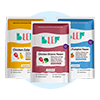
If you know what ingredients and recipes work for your dog (and which ones don’t), you can avoid getting the wrong dog food for your dog in case you need to switch. This saves a lot of time for you and a lot of struggle for your dog. That’s why we always recommend getting the BLEP All Recipes Dog Food Trial Pack when trying to choose the dog food recipe that suits your pup best.
What do vets generally agree on?
The poop is a great indicator of how your dog is reacting to any news food. However, consistent feeding of 1–2 months is important before making any judgments, unless your dog gets an adverse reaction.
A well-suited dog food will help your dog’s body combat various illnesses: it will help reduce inflammation, support good gut bacteria in fighting against bad gut bacteria, and will help in repair and maintenance of the entire body. This is a massive boon, because it may reduce chances of infections significantly and even give a better recovery time.
When to be careful?
A dog food that’s good for your dog isn’t a miracle elixir, so do not expect it to show good (or bad) signs immediately. Observe your dog over 1–2 months of consistent feeding. Getting good results may take some time. The important thing is not to be hasty in your decision. Changing your dog over and over again may cause them repeated discomfort.
Sources: