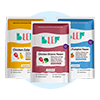







Reading a dog food label well starts with knowing what's actually enforceable and what's marketing. In the US, AAFCO sets legal ingredient definitions and a "complete and balanced" nutritional standard that most labels must meet. India doesn't have an equivalent mandatory system yet. The Bureau of Indian Standards published IS 11968:2019, the first Indian standard specifically for dog and cat food, covering nutrient profiles, hygiene, and labelling, but it's voluntary. FSSAI enforces general food safety, hygiene, and contamination rules that touch pet food, but it doesn't have a dedicated mandatory pet food nutrition standard the way AAFCO effectively functions as one in the US. So, when you’re choosing a dog food for your pup, here are a few things you can keep in mind:
-
The first ingredient is a wholefood source of protein, not by-products.
-
You understand all the ingredients listed on the label.
-
There is no sugar, salt, onion or garlic.
-
Avoid those dog foods with preservatives, chemicals, and fillers like soy, corn, cereal by-products, etc.
Why does this matter?
Since India's system is still voluntary and developing, the label is often the main tool a pet parent has to judge a food. Knowing what to watch out for makes all the difference. Ingredient quality, transparency of the label, order of the ingredients listed, form of the product, processing method, shelf-life, what has been included, what has been excluded, etc., all give you the information that you need to make your decision.
What do vets generally agree on?
-
Complete and balanced: is the single most important thing to look out for. Make sure the dog food contains protein, healthy fats, dietary fibre, essential vitamins, minerals and adequate moisture, as directed by AAFCO.
-
By-products: although by-products may be safe, they are lower in quality and nutritional value when compared to a high-quality cut, such as chicken breast. In fact, not only the amount of crude protein, but its digestibility and the bioavailability of the protein also matters. Dog food that contains chicken, instead of chicken by-products, therefore, is usually of higher quality.
-
Fillers: Many dog food manufacturers use fillers to get higher margins on their pet food. True low-value fillers, like plain cellulose used purely to add bulk with no nutrition, are worth avoiding in large amounts. When choosing your dog food, check if all the ingredients are contributing something of value to your dog’s diet (fiber, energy, digestibility) or just taking up space.
-
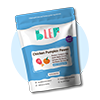
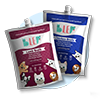
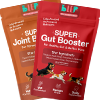
Human-grade: Although there's no legal definition of it in India yet, a "human-grade" claim is worth treating as a quality signal from the brand. 100% natural ingredients that are human-grade, like in BLEP dog food, means a safe, high-quality meal for your dog.
Given this, one thing worth checking on any label is whether the ingredients are named specifically (chicken rather than just "meat meal"). BLEP dog food clearly names all its ingredients on the front and the back of the pack for maximum transparency.
When to be careful?
-
In India specifically, remember that IS 11968:2019 is voluntary and FSSAI's pet food oversight is still developing, so a label claim here has less independent backing than the same claim would in a country with a mandatory standard. Look for brands that are transparent about ingredient sourcing and formulation on their own, since regulation isn't fully doing that verification work yet.
-
If your dog has allergies, digestive sensitivities, or a specific health condition, talk to your vet about which label details actually matter for your dog, rather than avoiding ingredients based on general internet reputation.
Sources: