







Cat food labels can often feel confusing, especially with terms like “premium,” “real meat”, “high protein,” and “complete nutrition” appearing across many products. In India, pet food packaging and labelling standards may vary between brands, which makes it important for cat parents to understand what information is actually useful when evaluating a food.
A cat food label generally includes the ingredient list, nutritional composition, feeding guidelines, storage instructions, and manufacturer details. Ingredients are usually listed by weight before processing, meaning ingredients with higher moisture content may appear earlier on the label even though their final nutritional contribution after cooking may differ. Understanding how labels work can help consumers focus more on ingredient transparency, protein quality, and nutritional balance rather than marketing language alone.
Because cats are obligate carnivores, veterinary nutrition experts generally encourage cat parents to pay close attention to animal-based protein sources. They should be clear and named protein sources, like fish, chicken, turkey, etc.
Why does this matter?
• Cat food labels help consumers understand the ingredients and nutrients included in the food. Clearly identified animal-based proteins are generally considered more transparent than vague ingredient terms, such as “by-products”, “derivatives”, “meal”, etc.
• Marketing claims such as “premium” or “high protein” may not always reflect overall nutritional quality. The bioavailability of protein and other ingredients is also important.
• Feeding guidelines and calorie information may help support portion control and weight management. This will help pet parents make more informed choices.
What do vets generally agree on?
Veterinary nutrition experts generally agree that cat food should be evaluated based on nutritional adequacy, ingredient transparency, digestibility, and suitability for the cat’s life stage rather than packaging claims alone.
Experts also commonly recommend looking for clearly identified protein sources such as fish, chicken, or lamb instead of vague terms like “animal derivatives” or unspecified meat ingredients. Since cats rely heavily on animal-based nutrients, protein quality and balanced formulation are considered especially important in feline nutrition.
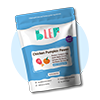
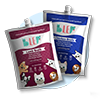
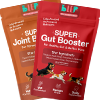
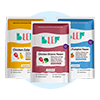
Many veterinarians also emphasise that ingredient lists alone do not provide the complete nutritional picture. Digestibility, moisture content, nutrient balance, and formulation quality remain equally important factors. BLEP cat food uses clearly identified animal-based ingredients alongside balanced nutritional components as part of moisture-rich feeding routines.
When to be careful?
Cat parents should carefully evaluate ingredient quality, protein sources, processing methods, and overall nutritional balance when choosing a food rather than making decisions based only on branding or appearance.
Cats with digestive sensitivities, allergies, obesity concerns, urinary conditions, or medical issues may require specialised nutritional guidance. Make sure to check the label thoroughly for any ingredient that may trigger any sensitivities.
Sources:
-
https://www.aafco.org/consumers/understanding-pet-food/reading-labels/
-
https://www.vetsaglik.com/en/post/best-cat-foods-you-can-buy-a-comprehensive-scientific-guide