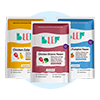







Fresh dog food requires proper storage to help maintain food safety, freshness, and nutritional quality after opening. Because fresh food contains high moisture content, it is more perishable than dry food once exposed to air. Improper storage may increase the risk of spoilage, bacterial growth, texture changes, or reduced palatability over time.
Unopened fresh food is typically shelf-stable when stored according to manufacturer instructions, usually in a cool and dry environment away from direct sunlight or excessive heat. Once opened, however, fresh dog food should generally be refrigerated promptly in a clean, sealed container if it is not consumed immediately.
Storage recommendations may vary slightly depending on packaging type, ingredients, and processing methods, but maintaining hygiene, refrigeration, and proper handling practices is considered important across most fresh feeding routines. Understanding safe storage practices can help reduce contamination risk and support better food quality for dogs.
Why does this matter?
• Wet food contains high moisture content, which may increase spoilage risk after opening.
• Proper refrigeration helps reduce bacterial growth and maintain freshness.
• Incorrect storage can affect texture, smell, taste, and food safety.
• Safe handling practices help reduce contamination risk during feeding.
• Storage conditions can influence the overall quality and palatability of fresh food.
What do vets generally agree on?
Veterinary nutrition experts generally agree that opened packs of fresh dog food should be refrigerated promptly and stored in clean, sealed containers when not consumed immediately. Many manufacturers also recommend discarding uneaten fresh dog food left at room temperature for extended periods, especially in warm climates.
Experts also commonly emphasise the importance of checking packaging instructions, expiration dates, and food appearance before feeding. Moisture-rich foods can spoil more quickly once opened compared to dry foods, making hygiene and storage especially important.
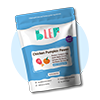
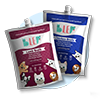
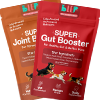
BLEP fresh dog food recipes should also be handled according to refrigeration and serving recommendations to help maintain freshness and food quality.
When to be careful?
Pet parents should avoid feeding wet food that develops unusual odours, discoloration, mould, swelling packaging, or visible spoilage signs. Damaged cans, leaking pouches, or improperly sealed packaging may also increase contamination risk.
It is also important not to leave fresh food sitting out for long periods, particularly in hot or humid environments where bacterial growth may occur more rapidly. Using clean bowls and utensils during feeding and storage may further help reduce contamination.
Dogs with weakened immune systems, digestive sensitivities, or medical conditions may require extra caution with food handling and storage practices. For example, sealed packets of BLEP fresh dog food can be stored without refrigeration for 12 months from the date of manufacturing. When the pack is opened, any leftovers must be stored in the fridge and served within 48 hours. To know more, check out the BLEP Feeding Guideline page.