







Yes, fish can be a highly nutritious addition to a dog’s diet when fed appropriately. It provides high-quality protein and is a natural source of omega-3 fatty acids, which support multiple aspects of canine health. However, like any ingredient, its benefits depend on how it is sourced, prepared, and included in a balanced diet. For pet parents looking to include fish regularly, it is important to choose well-formulated meals that ensure the right nutrient balance and portion control.
Why does this matter?
-
Modern dog diets can sometimes have an imbalance between omega-6 and omega-3 fatty acids. Maintaining a healthy ratio is important, as omega-3 fatty acids play a role in supporting normal inflammatory responses, skin health, and joint function.
-
Fish, especially oily fish like salmon, sardines, and mackerel is one of the richest natural sources of omega-3s (EPA and DHA). These are already in a biologically active form, meaning dogs can absorb and utilise them efficiently.
-
For dogs experiencing issues such as dull coat, mild joint stiffness, or skin sensitivity, including fish as part of a balanced diet may help support overall skin, coat, joint, and cognitive health over time.
What do vets generally agree on?
Veterinarians and nutritionists widely recognise fish as a valuable ingredient in canine diets when used correctly. Key benefits include:
-
Skin and coat health: Omega-3 fatty acids (EPA and DHA) help support skin integrity and coat quality, and may help reduce inflammation in some dogs.
-
Joint support: EPA plays a role in regulating inflammatory processes that affect joint health.
-
Brain development: DHA is important for neurological development in puppies and helps support cognitive function in older dogs.
-
Heart health: Omega-3 fatty acids support cardiovascular function and may help maintain healthy lipid levels.
-
Alternative protein source: Fish can be useful for dogs with sensitivities to more common proteins, making it a practical option in elimination diets.
When to be careful?
While fish is beneficial, there are a few important considerations:
-
Type of fish matters: Large predatory fish like tuna and swordfish can accumulate heavy metals such as mercury and should only be fed occasionally.
-
Preparation is critical: Fish should always be cooked, deboned, and served plain. Raw fish may carry parasites or bacteria.
-
Avoid additives: Salted, smoked, or seasoned fish can contain ingredients that are harmful to dogs.
-
Canned fish caution: If using canned fish, choose options packed in water with no added salt or oil.
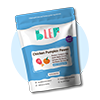
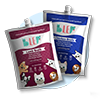
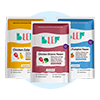
If you are introducing fish into your dog’s diet, it is best to do so gradually and as part of a balanced feeding plan. Rather than relying on individual ingredients alone, the focus should always be on complete and balanced nutrition. BLEP Fish and Beans dog food uses high-quality, human-grade fish in its recipe, ensuring dogs receive the benefits of omega-3 fatty acids in the right proportions, without relying on low-quality derivatives or imbalanced formulations. With portion-controlled meal packs, it also helps pet parents avoid overfeeding and maintain consistency which is especially important when introducing nutrient-dense ingredients like fish.
Sources: