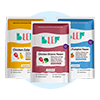







Freeze-dried dog food can be complete and balanced, but it is not automatically so. The format itself, which removes moisture through sublimation without heat, retains nutrients exceptionally well. However, completeness depends entirely on whether the manufacturer has formulated it to meet AAFCO standards for the appropriate life stage and whether you are reading the label correctly. A significant number of freeze-dried products on the market are intended as toppers or treats, not standalone meals, and feeding them as a primary diet creates nutritional gaps.
Why does this matter?
-
Some freeze-dried dog food may not be formulated to contain the nutrients recommended by AAFCO for a complete and balanced diet. Pet parents must check for the AAFCO nutritional adequacy statement on the packaging.
-
The freeze-dried format carries the same bacterial contamination risk as other raw products, since it does not involve heat treatment. Research confirms that freezing and drying processes may reduce but do not eradicate bacterial contamination in raw pet food.
-
Many pet parents assume "freeze-dried" automatically means "better" or "complete," without realising that the label holds all the information they actually need.
What do vets generally agree on?
The freeze-drying process itself is nutritionally superior to extrusion. Because no heat is applied, heat-sensitive vitamins, amino acids, and enzymes are preserved in forms much closer to their natural state. A 2024 University of Illinois study comparing frozen raw, freeze-dried raw, fresh, and extruded diets found that raw and fresh diets were hypothesised to have greater apparent total tract digestibility than extruded diets, a finding consistent with what we know about how heat degrades nutrient bioavailability. The critical check is the label. Many freeze-dried products that are genuinely complete are well-made and a reasonable choice, particularly as meal toppers alongside 100% natural food like BLEP dog food.
When to be careful?
Freeze-dried food that is raw at source carries real contamination risk. The FDA has reported multiple recalls of freeze-dried pet foods due to Salmonella and other pathogen contamination, with routine testing identifying unsafe bacterial levels. As with raw food, this risk is most serious for households with immunocompromised individuals, infants, or elderly people. Cost is also a practical concern, as freeze-dried food is among the most expensive formats available, and using it as a topper rather than a primary diet is often more realistic for most families.
Sources: