







Ghee is not toxic to dogs, but it is not a necessary or particularly healthy addition to their diet. Although a tiny lick or accidental taste is unlikely to harm most healthy dogs, ghee is almost entirely fat and provides very little nutritional benefit for them. Regularly adding ghee to roti, rice, dal or homemade dog food can increase calorie intake and contribute to weight gain. Large amounts of fatty foods may also cause digestive upset and can be a concern for dogs prone to pancreatitis.
Why does this matter?
-
Ghee is calorie-dense and high in fat. Even a small quantity adds calories to your dog's daily intake. Regularly adding it to meals can contribute to excess weight, particularly in dogs that are less active or already overweight.
-
Too much fat can cause digestive problems. Some dogs may develop vomiting, diarrhoea or abdominal discomfort after eating fatty foods. Dietary indiscretion and high-fat meals can also contribute to pancreatitis, a potentially serious inflammation of the pancreas.
-
Ghee does not provide a unique nutritional benefit for dogs. Dogs need dietary fats to obtain essential fatty acids and absorb fat-soluble vitamins, but these requirements should be met through a complete and balanced diet. Adding ghee is not necessary to achieve them.
-
Traditional Indian feeding practices need a little reconsideration. Ghee is commonly added to roti, rice and dal or mixed into homemade pet meals because it is considered nourishing for humans. However, what is beneficial or customary in a human diet is not automatically appropriate for a dog.
What do vets generally agree on?
Veterinary nutrition guidance emphasises feeding dogs a complete and balanced diet that meets their nutritional needs without unnecessary extra calories or excessive fat.
If you are considering giving your dog ghee, keep these points in mind:
-
Don't add ghee routinely to your dog's meals. Most healthy dogs do not need it as a supplement or food topper.
-
A tiny accidental taste is usually not a reason to panic. If your dog has licked a small amount of plain ghee and is behaving normally, monitor them for digestive symptoms.
-
Choose more appropriate food toppers if needed. Small portions of plain, cooked chicken or dog-safe vegetables, or even a bone broth for dogs may be more suitable, provided they fit your dog's overall diet.
-
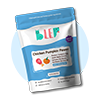
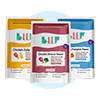
Keep the main diet complete and balanced. A food such as BLEP dog food should provide the nutritional foundation of your dog's diet. Additional fats are generally unnecessary unless your veterinarian recommends them for a specific reason.
Remember that ghee is not a substitute for essential fatty acid sources formulated into a dog's diet. Adding more fat does not automatically make a meal more nutritious.
When to be careful?
Avoid giving ghee to dogs with a history of pancreatitis or those prescribed a low-fat diet. Dogs with obesity, elevated blood triglycerides or other medical conditions may also need stricter control over dietary fat.
Be particularly cautious about adding ghee to homemade meals every day. Even if the other ingredients are wholesome, a recipe containing rice, roti, vegetables, meat and ghee is not necessarily nutritionally complete. Homemade diets need appropriate formulation to provide the right balance of protein, essential fatty acids, vitamins and minerals.
If your dog accidentally eats a large quantity of ghee, contact your veterinarian for advice, especially if your dog is small or has a history of pancreatic disease. Watch for vomiting, diarrhoea, loss of appetite, lethargy or abdominal pain. Repeated vomiting or significant abdominal pain warrants prompt veterinary attention.
Sources
-
VCA Animal Hospitals: Nutrition and Pancreatic Disease in Dogs
-
American Animal Hospital Association: Understanding Pancreatitis in Pets
-
Cornell University College of Veterinary Medicine: Re-evaluating Your Dog's Diet