







Homemade food is probably the most healthy kind of food for dogs; the only issue is that it is not always a fully balanced meal. This is particularly true in terms of protein, especially if a dog is from a vegetarian household. Most people feed some form of protein and some form of carb to their dogs. Many essential macro- and micronutrients get left behind. So, even if homemade food is very healthy and high quality, it lacks balance. That’s why adding a portion of fresh dog food that’s 100% natural, high in quality, has zero preservatives, sugars, or fillers to homemade food is not only healthy but also necessary. Another good feature of homemade food is that it is preservative free and made with everyday ingredients that humans also consume. This makes it higher in quality than ultra-processed dog food.
Why does this matter?
-
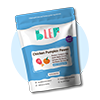
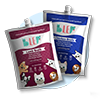
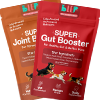
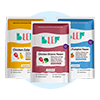
Simply giving good quality food to your dog is not enough. A complete, balanced meal is also necessary so that your dog doesn’t miss out on some important nutrients. For example, giving homemade rice and chicken to dogs is a good, staple meal. However, you also need to balance it with some veggies for fibre, vitamins and minerals, some eggs and fish oil for healthy fats, and so on. Otherwise, you can also use a zero-preservative fresh dog food like BLEP dog food as a topper for your homemade dog food. This will balance out all the nutrients.
-
The preservative-free nature of homemade dog food is extremely important. That’s because long-term exposure to preservatives can cause a lot of damage in a dog’s body: it disrupts the system, hurts the gut, and may be linked to various chronic diseases and allergic reactions. Some preservatives, such as BHA, have even been linked to the development of obesity.
What do vets generally agree on?
Homemade food is high in quality and has no harmful chemicals, preservatives or additives. This makes it a very healthy meal for dogs. However, the only concern is that it is not always balanced with the right amounts of all the components that a dog needs for a complete, balanced meal: protein, fat, fibre, vitamins, minerals, and water. This may cause certain deficiencies, especially of vitamins and minerals, that may cause illnesses later. The most vulnerable component is protein. Dogs need more than 2.2g of protein per kg of body weight per day. Homemade food, especially in vegetarian households, may lack such a high amount of protein.
That’s why a balanced, zero-preservative fresh dog food is a good addition to a home-cooked meal. It fills in the gaps of the homemade meal while still retaining the zero-preservative, high-quality nature of the food. In fact, BLEP Paneer Quinoa dog food is a 100% vegetarian recipe that has been specifically balanced to provide a balanced meal to a dog who only eats vegetarian food.
When to be careful?
While homemade food is great, dogs can’t eat exactly what the humans of the house are eating, especially when it comes to food that has salt, sugar, oil, spices, and other normal human seasonings and ingredients. If you’re feeding homemade food to your dog, this is a very important aspect to keep in mind. Apart from that, there is a tendency in India to feed carb-heavy food like humans eat, especially wheat rotis. While not every dog is sensitive to gluten, many are, or they can even get sensitive to it with prolonged exposure. Instead, rotis made of bajra, ragi, oats, etc., are better for dogs.
Sources: