







Psyllium is a form of soluble fibre that is safe for dogs, but has very limited nutritional value. Because psyllium absorbs water and forms a gel-like texture, it may help support normal bowel movements and stool quality in some dogs. It is sometimes discussed in relation to constipation management, digestive balance, or specialised high-fibre feeding plans under veterinary guidance. Psyllium may also be included in some commercial pet foods as a fibre source within balanced formulations. However, some dog food may use it as a filler. So, read all the ingredients in your dog's food label and ensure that it is not among the first few ingredients.
In fact, psyllium is not necessary for every dog, and excessive fibre intake may contribute to bloating, gas, loose stools, or digestive discomfort in some animals. The overall suitability of psyllium depends on factors such as the dog’s diet, hydration status, digestive health, and individual medical needs.
Why does this matter?
• Psyllium is a soluble fibre source that absorbs water and may help support stool consistency.
• Fibre can play a role in digestive regularity and gut health in some dogs.
• Excessive or inappropriate fibre intake may sometimes contribute to digestive upset.
• Hydration becomes especially important when fibre intake increases.
• Digestive support ingredients should be evaluated within the context of the dog’s full diet and health status.
What do vets generally agree on?
Veterinary nutrition experts generally agree that psyllium can be safe for dogs when used appropriately and in suitable amounts. It is sometimes incorporated into veterinary nutrition plans or specialised diets designed for digestive support and stool regulation.
Experts also commonly emphasise that fibre needs can vary between individual dogs. Some dogs may benefit from additional fibre, while others may not tolerate excessive fibre intake well. The overall balance of the diet, hydration, digestibility, and nutritional adequacy remain important considerations.
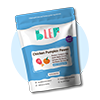
Digestive-support ingredients such as pumpkin, green beans, carrots, sweet potatoes, etc., are often discussed together in balanced feeding routines. Recipes such as BLEP Chicken Pumpkin Fresh Dog Food include fibre-rich ingredients alongside animal-based protein, adequate moisture and balanced nutritional components. These are also nutritionally rich, so they are a better choice when your dog needs a little more fibre in their diet.
When to be careful?
Pet parents should avoid giving large amounts of psyllium without proper guidance, especially if the dog has underlying digestive disease, dehydration, intestinal obstruction risk, chronic vomiting, or other gastrointestinal conditions. Because psyllium absorbs water, inadequate hydration may sometimes worsen constipation or digestive discomfort.
It is also important to avoid flavoured human fibre supplements that may contain sweeteners, additives, or ingredients unsuitable for dogs. Sudden increases in fibre intake may sometimes lead to gas, bloating, or stool changes in sensitive animals.
Dogs with persistent constipation, diarrhoea, appetite loss, abdominal discomfort, or chronic digestive symptoms should ideally be evaluated by a veterinarian before introducing fibre supplements or major dietary changes.
Sources:
-
https://farmvalepsyllium.com/psyllium-husk-benefits-for-pets/
-
https://avmajournals.avma.org/view/journals/javma/260/S3/javma.22.08.0351.xml