







Raw feeding has genuine appeal and some real potential benefits, but the science does not currently support it as definitively better than a well-formulated, minimally processed diet. The benefits most commonly reported by pet owners, such as better coat, smaller stools, and improved energy, remain largely anecdotal. What is well-documented is the risk: raw food carries meaningful rates of bacterial contamination that can affect dogs, owners, and other household members. The honest answer is that raw food is neither a miracle nor a poison, but it deserves to be evaluated on facts, not marketing.
Why does this matter?
-
The AVMA discourages feeding dogs any animal-source protein that has not been subjected to a pathogen-elimination process, citing risks of contamination with Salmonella, Campylobacter, Clostridium, E. coli, and Listeria monocytogenes.
-
Studies have found that 60% of commercial raw meat-based diets had major nutritional imbalances, meaning the raw format does not automatically mean complete or balanced.
-
The zoonotic risk is especially serious in households with young children, elderly people, or immunocompromised individuals, as dogs on contaminated raw diets can shed pathogens through saliva and faeces without appearing unwell.
What do vets generally agree on?
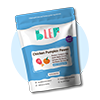
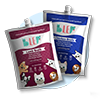
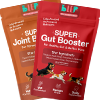
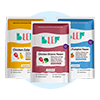
Evidence on nutritional benefits of raw diets is often from low-quality studies such as testimonials or poor-quality case series. The evidence for infectious disease risks when feeding raw diets is of better quality and quantity. That imbalance matters when making a feeding decision. There is emerging, limited research suggesting raw diets may support leaner body composition and microbiome diversity, but these findings are early and inconsistent. The clearest benefit of raw food as a concept is the avoidance of ultra-processed ingredients, excessive starch, and synthetic additives, but that benefit can be achieved without the contamination risk by choosing a high-quality, minimally processed natural food. A well-formulated option like BLEP dog food offers whole, identifiable ingredients that are gently processed, delivering the nutritional intent of raw feeding without the pathogen risk.
When to be careful?
Raw feeding is not appropriate for dogs who are immunocompromised, on chemotherapy, or recovering from surgery. It is also strongly inadvisable in households with infants, elderly people, or anyone with a compromised immune system. FDA research found that a large number of frozen raw meat diets purchased online tested positive for foodborne pathogens including Salmonella, Listeria, or toxigenic E. coli. If you do choose raw feeding, working with a veterinary nutritionist to ensure the diet is genuinely complete and balanced is not optional, it is essential.