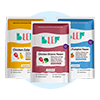







Rotational feeding is absolutely safe for your dog, and in fact recommended, as long as any change in their meal is a gradual transition. Even for small changes like switching the protein of your dog’s diet for a week, the first time you need to make a gradual change. Mix a little of the new protein with the current protein and feed for the first few days, then slowly increase the new protein amount and decrease the current protein amount in the mixture. From the next on, you can switch between these two proteins more easily. Do this for every significant change in diet. Rotational feeding of protein is actually quite beneficial.
Why does this matter?
-
Dogs have sensitive digestive systems. Any sudden changes may cause digestive issues and discomfort. There may be some vomiting, diarrhea, or food rejection. So, a slow transition is required.
-
Rotational feeding keeps food interesting for dogs, which is especially required for picky or fussy eaters. Plus, it ensures that a range of nutrients reach your dog bowl and that there are no major deficiencies.
What do vets generally agree on?
Dogs need a complete and balanced meal with the right proportion of protein, essential fatty acids, fibre from healthy carbs, vitamins, minerals and moisture. In fact, there are a number of essential nutrients that may get overlooked if you keep feeding your dog the same meal long term. Nutrients like dogs need 10 essential amino acids, omega-3 and omega-6 fatty acids; vitamins A, D, E K and B-complex; minerals like calcium, phosphorus, potassium, sodium, chloride, and even trace minerals are extremely important for dogs. The chances of them getting the sufficient amount of each of these nutrients is much higher if they are on a rotational diet.
When to be careful?
As mentioned before, every change in diet must be slow and gradual, especially if it’s the first time. For example, let’s say you are transitioning your dog from ultra-processed food to BLEP natural dog food. For the first 3–4 days, mix a little bit of BLEP to your dog’s current meal. Then, over the next 5–6 days, increase the amount of BLEP food and decrease the amount of ultra-processed food in the mixture. In 9–10 days, your dog should be fully adapted to BLEP. To know more, you can check out BLEP’s Feeding Guidelines page.
Sources:
-
https://www.localvets.co.uk/services/diet-and-nutrition-advice/
-
https://www.akc.org/expert-advice/nutrition/dogs-tired-eating-same-food/
-
https://nap.nationalacademies.org/resource/10668/dog_nutrition_final_fix.pdf