







Ultra-processed dog food generally refers to food made through high-heat industrial methods like extrusion, where ingredients are broken down and reassembled with additives for shelf stability and palatability. Most dry dog food falls into this category. The honest, non-alarmist answer is that a properly formulated, AAFCO complete and balanced diet, even a processed one, is considered nutritionally adequate for daily feeding. However, ‘adequate’ and ‘healthy’ are not the same thing. One of the major issues with ultra-processed dog food is that the high-heat processing destroys a lot of heat-sensitive nutrients, especially vitamin C, B1, B9, etc. It also creates more Advanced Glycation End-products (AGEs) compared to fresh dog food. Plus, a lot of starch is used in ultra-processed food to keep the structural integrity of the food intact. This, again, is an unnecessary amount of starch that gets into their body. A lot of it breaks down in their body to become glucose, which gets stored in the body. Apart from that, for shelf stability, palatability, and odour control, a lot of preservatives and chemicals are used in ultra-processed dog food.
None of this is possibly toxic immediately, but over time all of this gets accumulated in the body and may cause long-term health issues, such as obesity, hypertension, chronic inflammation, etc. This is why feeding ultra-processed dog food to your dog daily for years may have its drawbacks.
Why does this matter?
There's a growing, legitimate body of research asking whether "complete and balanced" on paper is the whole story. High-heat processing produces Advanced Glycation End-products (AGEs), byproducts also studied in human diets, and some research has found dogs on extruded kibble carry AGE levels dramatically higher than humans eating a typical Western diet, on a body-weight basis. Researchers are exploring possible links to inflammation, diabetes, joint issues, and other chronic conditions. Separately, some synthetic preservatives used for shelf stability have drawn regulatory scrutiny; propylene glycol was banned from cat food after being linked to blood cell abnormalities, and ethoxyquin was withdrawn as a feed additive in the EU over potential genotoxicity concerns, though it's still permitted in some other markets.
What do vets generally agree on?
-
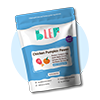
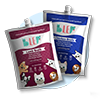
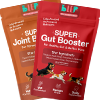
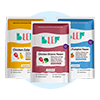
There is emerging evidence that minimally processed or fresher diets show lower levels of AGEs than extruded, ultra-processed diets. BLEP fresh dog food takes this approach, leaning on whole, 100% natural ingredients and minimal processing rather than synthetic preservatives or heavy extrusion.
-
A diet made of wholefood ingredients may have anti-inflammatory properties, reducing systemic inflammation, when compared to an extruded diet.
-
Obesity in dogs, which is common and genuinely a health concern, is driven mainly by calorie intake versus activity level. A highly palatable, energy-dense processed food can make overfeeding easier, especially if the pet parents are free-feeding. Years of caloric surplus can eventually lead to weight gain and obesity.
When to be careful?
-
Any diet, however it's processed, needs to actually be complete and balanced as a bare minimum. For example, home-cooked food can be made with excellent ingredients, but unless it has been properly formulated, it may not provide complete and balanced nutrition.
-
If you're switching your dog's diet from ultra-processed dog food to fresh dog food, be sure to give 9–10 days of transition period. Check out the BLEP Feeding Guidelines page to know how.
Sources: