
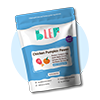
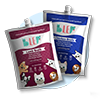
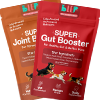
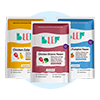







Wet dog food is safe for daily feeding, but "safe" and "optimal" are two different things. Most commercial wet food is made with canned meat, gravy, grains, vitamins, and minerals. While it is more palatable and hydrating than ultra-processed dry dog food, the ingredient quality is often still feed-grade, meaning the meat used may be by-products or derivatives rather than whole, recognisable cuts of muscle meat. This is where a fresh, minimally processed option like BLEP dog food makes a meaningful difference: it delivers the same high-moisture advantage as wet food but with 100% human-grade ingredients, zero preservatives, and no artificial thickeners or gelling agents. Feeding wet food every day is perfectly fine if the food is nutritionally complete and balanced.
Why does this matter?
-
Dogs eat the same food, day after day, for years. The cumulative effect of low-quality ingredients, artificial flavours, thickeners, gelling agents, and chemicals builds up in the body over time and may contribute to sensitivities, gut imbalance, and chronic health conditions.
-
Wet food's biggest advantage is moisture. Dogs need roughly 40 to 60 ml of water per kilogram of body weight daily, and a moisture-rich diet actively supports kidney function, urinary tract health, and digestion. On this front, both wet food and fresh dog food outperform ultra-processed dry dog food, which sits at only 8 to 10% moisture.
-
Dogs tend to like wet and fresh dog food more than ultra-processed dry dog food. This is especially important for picky eaters, as food rejection may leave your dog with major nutritional deficiencies over time.
What do vets generally agree on?
Veterinarians generally agree that wet food can be a healthy daily diet, provided it is made of high-quality ingredients and balanced to give all the nutrients that dogs need. The concern most vets raise is not daily feeding per se, but the gap between what is on the label and what is actually bioavailable. Wet food that leads with meat by-products or derivatives instead of whole, named meat cuts may technically meet nutrient minimums without delivering equivalent biological value. Studies comparing fresh, minimally processed diets to conventionally processed ones consistently show that fresh food diets result in better digestibility, smaller stool volumes (a sign of better nutrient absorption), and a more diverse gut microbiome.
When to be careful?
When buying wet food for your dog, always check the label: if the first ingredient is "meat and animal derivatives" or "meat by-products", the protein quality is likely low. The other common issue is that dogs find wet dog food highly palatable, therefore they may overeat. Be careful about portion control, especially for foodie dogs like Golden Retrievers, Labs, and Beagles. BLEP Dog Diet Calculator can help you plan their meals better.
Sources: