









As obligate carnivores, cats are designed to get most of their nutrition from animal protein. Protein isn't just an energy source, it provides the amino acids needed to build muscles, maintain healthy organs, produce hormones and enzymes, and support healthy skin and fur for cats. While cats can eat a variety of animal proteins, chicken and fish are among the most commonly used because they are highly digestible and naturally rich in important nutrients.
Why does this matter?
-
Not all protein sources are nutritionally identical. Different meats provide different amounts of amino acids, fats, vitamins, and minerals.
-
The quality and digestibility of the protein also influence how efficiently your cat can absorb and use those nutrients. That’s why just feeding “chicken” isn’t enough, the digestibility of the chicken is also important.
-
A diet rich in high-quality animal protein helps support lean muscle mass, healthy immune function, tissue repair, and a glossy coat throughout your cat's life.
What do vets generally agree on?
Animal protein should form the foundation of a cat's diet. The most commonly used protein sources and their benefits are:
-
Chicken: It is a highly digestible, lean source of complete protein. It provides essential amino acids needed to maintain muscle mass and supports everyday health, making it one of the most widely used proteins in cat nutrition.
-
Fish: Fatty fish provides high-quality protein along with beneficial omega-3 fatty acids, including EPA and DHA. These nutrients help support healthy skin, a shiny coat, normal brain function, and healthy inflammatory responses. Fish can be an excellent part of a balanced diet, although it should not necessarily be the only protein source a cat eats throughout its life.
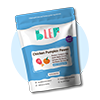
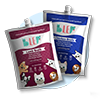
Rather than focusing on one ingredient alone, veterinarians recommend choosing foods that combine quality animal proteins with balanced levels of vitamins, minerals, and other essential nutrients. BLEP cat food is carefully formulated to ensure a good balance of the nutrients needed by cats and it has both chicken and fish recipes.
When to be careful?
Don't judge a food solely by the name of its protein source. The overall formulation, ingredient quality, and nutritional balance are far more important than whether the recipe contains chicken, fish, lamb, or another meat.
If your cat has a diagnosed food allergy, your veterinarian may recommend avoiding a particular protein or feeding a specialised diet. Feeding raw fish or chicken to cats is not recommended because there may be risks of contamination for both cats and their pet parents.
Sources
-
https://www.petmd.com/cat/nutrition/do-cats-need-high-protein-cat-food
-
https://vetmed.tamu.edu/news/pet-talk/cats-are-carnivores-so-they-should-eat-like-one/