








Fibre is not a glamorous ingredient; it rarely appears on the front of a dog food pack. But behind the scenes, it does some of the most important work in a dog's body. It is not a single substance but an entire category of indigestible carbohydrates, each with different properties and effects. Understanding what fibre actually does helps pet parents evaluate their dog's food far more accurately than ingredient lists alone. Dietary fibre plays vital roles in supporting the gastrointestinal tract: modulating appetite and satiety, regulating digestion, and acting as a microbial energy source through fermentation. These functions have widespread effects across the whole body, not just the gut. Pumpkin, carrots, green beans, apples (without seeds), sweet potatoes, etc. are good sources of dietary fibre.
Why does this matter?
-
Keeping your dog’s poop healthy is essential in pet care, and that’s what dietary fibre actually does. It helps keep poop at a good consistency, preventing both constipation and diarrhea, which have their own negative effects on a dog’s body.
-
Dietary fibre is helpful in the management of chronic conditions like obesity, diabetes, etc. because it promotes a feeling of satiety, which can help stop overeating.
What do vets generally agree on?
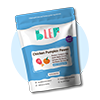
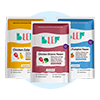
Fibre broadly falls into two types. Soluble fibre dissolves in water, slows digestion, and is fermented by gut bacteria into short-chain fatty acids (SCFAs), which are compounds with anti-inflammatory and gut-healing properties. Insoluble fibre passes through largely intact, adding stool bulk and supporting healthy poop. Both serve different but complementary roles. Fibre supplementation in dogs is associated with increases in beneficial bacteria such as Lactobacillus, Faecalibacterium, and Bifidobacterium. There is strong evidence for utilising fibre-enhanced diets in the management of chronic diarrhoea in dogs, particularly in colitis cases. Fresh, minimally processed food like BLEP dog food contains an adequate amount of dietary fibre and no sugar or starch, making it a good choice for dogs who need more fibre in their diet.
When to be careful?
More fibre is not always better. Increasing fibre too rapidly can cause flatulence, bloating, abdominal cramping, and changes in bowel movements, so fibre must be introduced gradually. Too much insoluble fibre can worsen constipation; too much rapidly fermentable soluble fibre can increase gas production. Senior dogs with difficulty absorbing nutrients may actually need less fibre, not more. Always consult a vet before significantly altering fibre intake, especially in dogs with existing digestive conditions.
Sources:
-
https://avmajournals.avma.org/view/journals/javma/260/S3/javma.22.08.0351.xml
-
https://academy.royalcanin.com/en/veterinary/dietary-fiber-the-clinicians-secret-weapon