







Shih Tzus in India face a set of nutritional challenges that most pet food guides simply do not account for: the year-round heat and humidity of the Indian climate and the breed's particular predisposition to skin allergies, dental disease, digestive sensitivity, pickiness and respiratory issues. The best food for a Shih Tzu in India is a high-protein, moisture-rich, minimally-processed diet built on named animal protein, with no artificial preservatives, no fillers, and no chemical additives. This helps with keeping their skin healthy, maintaining their weight, encouraging adequate feeding, smoothening their bowel movement and keeping up their hydration level.
Why does this matter?
-
Shih Tzus are a brachycephalic breed, meaning their flattened facial structure affects not just their breathing but also their eating. They tend to eat slowly, are prone to regurgitation, and can struggle with tough food. A moist, soft-textured food is significantly easier for them to eat comfortably and reduces the risk of gulping air while eating, which contributes to gas and bloating.
-
Skin and coat issues are among the most common complaints from Shih Tzu pet parents in India, and diet is a major driver. The breed is prone to atopic dermatitis, hot spots, and food-triggered skin sensitivities. India's climate aggravates these conditions. A diet rich in omega-3 fatty acids (from fish oil or oily fish), high in bioavailable animal protein, and free of artificial preservatives and synthetic flavour enhancers significantly reduces the dietary triggers for skin inflammation.
-
Dental disease is very common in Shih Tzus by the age of three, owing to their compact jaw and crowded teeth. While diet alone does not resolve dental disease, a fresh, low-sugar, low-starch diet reduces the plaque-promoting bacterial environment in the mouth. Starchy, high-carbohydrate ultra-processed food actively feeds oral bacteria and accelerates tartar buildup.
-
Many Indian Shih Tzu pet parents feed home-cooked food, often including rice, dal, rotis, curd, boiled chicken, or vegetables. While fresh home-cooked food is far better than ultra-processed food, it may not be nutritionally incomplete. Taurine, calcium, vitamin D, zinc, and iodine are the most commonly deficient nutrients in home-cooked Indian dog diets, and Shih Tzus are particularly sensitive to these gaps over time.
What do vets generally agree on?
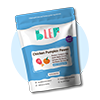
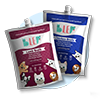
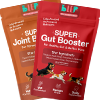
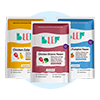
Veterinarians in India who specialise in small breeds consistently recommend high-protein, low-carbohydrate, moisture-rich diets for Shih Tzus. Omega-3 (through fish oil or oily fish as an ingredient) is widely recommended for coat quality and skin health. Portion control is emphasised heavily, as Shih Tzus are prone to obesity despite their small size, and extra weight places significant strain on their joints and respiratory system. Given India's climate, hydration is a year-round priority; wet or fresh food contributes meaningfully to daily fluid intake and reduces the dehydration risk that a dry-food-only diet carries. BLEP fresh dog food addresses all of these concerns. It has high-quality protein as the first ingredient, hydrating veggies, zero preservatives, fillers, or chemicals. Plus, it comes in meal-sized packs for better portion control.
When to be careful?
Shih Tzus are particularly sensitive to abrupt dietary changes. If switching from a current food to a fresh diet like BLEP dog food, follow a slow 9 to 10 day transition. Never switch food abruptly, especially in a breed this sensitive to gut disruption. The BLEP feeding guidelines outline a step-by-step transition plan. If your Shih Tzu is showing persistent skin issues, recurrent ear infections, or chronic loose stools, consult a vet; these can be signs of underlying allergies or conditions that need diagnosis alongside diet management.