









Yes, for many cats, eating small, measured meals throughout the day is a good feeding approach. Unlike dogs, cats are natural grazers and hunters that are adapted to eating several small meals rather than one large meal. Offering multiple meals can help keep them satisfied, maintain steady energy levels, and prevent them from becoming overly hungry between meals.
That said, there is no single ideal feeding schedule. Some cats do well with two meals a day, while others benefit from three or four smaller meals. The most important factor is ensuring they receive the correct amount of food that they need each day. right total amount of complete and balanced nutrition each day.
Why does this matter?
-
Meal frequency can influence a cat's eating behaviour. Cats that go long periods without food may beg more, eat too quickly when food is offered, or become more likely to overeat. Smaller, scheduled meals can also provide mental stimulation and better match a cat's natural feeding instincts.
-
Regardless of how often you feed, portion control remains essential. Even healthy food can contribute to weight gain if your cat consistently consumes more calories than they need.
What do vets generally agree on?
The total daily calorie intake of your cat is more important than the exact number of meals you give. Feeding two or more measured meals each day is suitable for most healthy adult cats, while kittens usually require more frequent meals because of their higher energy needs.
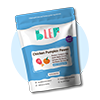
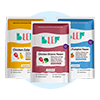
Choosing a protein-first, low-carb diet helps ensure your cat receives adequate nutrition regardless of meal frequency. BLEP fresh cat food is made with 100% natural, human-grade ingredients, provides complete and balanced nutrition, and is highly digestible, making it suitable for feeding as multiple small meals throughout the day. To determine the right daily amount, you can use the BLEP Cat Feeding Calculator.
When to be careful?
Avoid free-feeding large amounts of food all day, particularly for indoor or less active cats, as it can make it difficult to monitor food intake and may increase the risk of obesity. Especially if you're feeding fresh cat food, do not leave it out indefinitely. Open packs of BLEP need to be refrigerated and served within 48 hours. So if you open a pack in the morning, you can feed two large meals or four small meals, but make sure you refrigerate the pack in between.
Likewise, don't make sudden, major changes to your cat's feeding schedule, as many cats prefer a consistent routine.If your cat suddenly becomes extremely hungry, refuses food, loses weight despite eating normally, or develops vomiting or diarrhoea, consult your veterinarian. Changes in appetite can sometimes indicate medical conditions such as hyperthyroidism, diabetes mellitus, or gastrointestinal disease rather than simply a preference for more frequent meals.
Sources