









You don't have to rotate your cat's food if they are eating a complete and balanced diet that meets all their nutritional needs. Unlike humans, cats are perfectly capable of eating the same nutritionally complete food every day and remaining healthy. In fact, many cats prefer consistency and can become stressed by frequent changes in diet.
That said, introducing a few different tastes or protein sources gradually and occasionally, especially while a cat is young, may help prevent them from becoming overly picky if their regular food is unavailable. Teaching your cat variety is also an important part of socialisation. This can also make future diet changes easier if your veterinarian recommends a different food because of age or a medical condition.
Why does this matter?
-
Cats are well known for developing strong food preferences. If a cat eats only one kind of food for years, they may later refuse a different food when a dietary change becomes medically necessary, such as for kidney disease or food allergies.
-
On the other hand, changing foods too often can sometimes upset the digestive system or encourage fussier eating in some cats. The goal is to find a balance between nutritional consistency and dietary flexibility.
-
Rotational feeding may help cats get some additional nutrients too, so it’s not a bad idea to get them used to, say, different kinds of protein. For example, fatty fish is a good source of omega-3 plus protein while chicken is a good source of taurine plus protein.
What do vets generally agree on?
The most important factor when it comes to your cat’s food is feeding a complete and balanced diet and feeding the right portions. For healthy adult cats, there is no mandatory nutritional requirement to rotate food as such. However, rotational feeding may help cats become less picky and get a variety of additional nutrients.
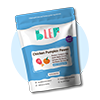
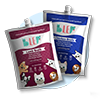
If you choose to offer different recipes, introduce them gradually over 9–10 days and ensure each one is nutritionally complete. BLEP fresh cat food is designed for everyday feeding, with 5 different protein-first recipes, 3 fish-based and 2 chicken-based. They’re also 100% natural and are made with human-grade ingredients. If your cat enjoys variety, you can rotate between BLEP recipes while maintaining the same nutritional quality and supporting consistent digestion.
When to be careful?
Avoid changing your cat's food simply because they seem bored. Cats are usually driven more by smell, texture, and routine than by a desire for constant variety.
If your cat develops vomiting, diarrhoea, persistent refusal to eat, or digestive upset after changing foods, return to the previous diet and consult your veterinarian before making further changes. Likewise, if your cat has food allergies, inflammatory bowel disease, chronic kidney disease, or another medical condition, always discuss diet rotation with your veterinarian first, as frequent changes may not be appropriate.
Sources