







Wet, dry, and fresh cat food differ fundamentally in their moisture content, manufacturing method, ingredient quality norms, nutrient bioavailability, and suitability for feline biology. In ultra-processed cat food, the ingredients are extruded at high temperatures, producing a low-moisture (8 to 10%), shelf-stable product. Wet cat food (canned) produces a higher-moisture (70% to 80%) product, but may still have artificial additives, chemicals and preservatives to keep it shelf-stable. Fresh cat food is gently cooked at lower temperatures and retains a high amount of moisture. It has the most bioavailable nutrients, the fewest processing-related toxic by-products, and the closest nutritional resemblance to a cat's natural diet.
Why does this matter?
-
Cats need a high amount of moisture in their diet to replicate what they would get from eating prey. Ultra-processed dry food at 8 to 10% moisture may not be enough for them. Because of lack of moisture in the food, cats may get chronic mild dehydration unless they compensate by drinking significantly more water, which most cats do not do willingly. Wet food and fresh food both meet this moisture requirement naturally. This single variable has a cascade of effects on kidney health, urinary tract health, gut motility, and long-term organ function.
-
Extrusion exposes food to high heat, degrading heat-sensitive vitamins, reducing amino acid bioavailability through the Maillard reaction, and producing AGEs. Wet food may still have low-quality ingredients and fillers in the gravy that dilute nutrition. Fresh cat food, cooked at lower temperatures and made with high-quality ingredients, retains significantly more of its natural nutritional value.
-
Fresh cat food uses identifiable, whole-food ingredients. Ultra-processed cat food may use unnamed by-products, rendered meals, and synthetic palatability enhancers. This structural difference in what the format permits drives a consistent quality gap between fresh and processed food categories.
What do vets generally agree on?
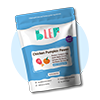
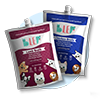
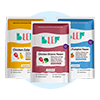
The veterinary consensus on food format for cats is consistent: cats are obligate carnivores with a biological drive toward moist food and a naturally low thirst drive. A moisture-rich diet is better for their long-term urinary and kidney health than an ultra-processed dry food diet. Between wet and fresh food, the advantage goes to fresh: lower AGE load, better nutrient bioavailability, higher ingredient quality standards, and greater palatability from genuine food flavour rather than synthetic palatability enhancers. For cats with health conditions (kidney disease, urinary crystals, IBD, diabetes), the distinction between food formats is clinically significant, and vets increasingly recommend fresh food as the first-choice dietary format for managing these conditions. BLEP cat food is a fresh, gently cooked food made with 100% natural, human-grade ingredients and zero preservatives, offering a meaningful nutritional step above both dry and retort wet food formats.
When to be careful?
Make sure even the fresh cat food is nutritionally balanced and complete. Sometimes, home-cooked food, although fresh, may not be balanced enough to provide all the nutrients that your cat needs. Raw fresh food carries additional food safety considerations; there could be risks of infections. Gently cooked fresh cat food like BLEP eliminates this risk while retaining the nutritional advantages of fresh ingredients.
Sources: