







"Balanced" is one of the most used (and sometimes least explained) phrases on dog food packaging. However, it has a specific technical definition that every pet parent should understand. According to AAFCO, "balanced" means that nutrients are present in the correct ratios for a dog's life stage, not just that a long list of nutrients is present. A food can contain protein, fat, and vitamins and still be unbalanced if those nutrients are in the wrong proportions relative to each other. Protein and healthy fats should form the major portion of the dog food, carbs should be much less, preferably in the form of soluble fibre. A good, balanced dog food should also contain the essential vitamins and minerals that a dog needs: vitamins A, D, E, K, B-Complex, choline, calcium, phosphorus, zinc, iron, magnesium, potassium, sodium, chloride, copper, manganese, and selenium.
Why does this matter?
-
An unbalanced diet over months or years can cause deficiencies or toxicities that are invisible until damage is done to bones, organs, coat, and immunity.
-
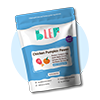
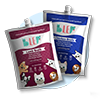
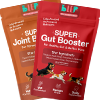
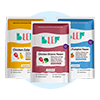
Homemade diets, however well-intentioned and healthy, are frequently imbalanced without expert formulation. That’s why adding some balanced, minimally-processed dog food like BLEP dog food can actually help ensure that dogs get the best quality food, and the right balance.
What do vets generally agree on?
For a dog food to legally claim it is "complete and balanced," it must either meet AAFCO's Dog Food Nutrient Profiles, or pass a feeding trial using AAFCO procedures. However, AAFCO nutrient profiles do not account for the bioavailability or quality of nutrients. This is why ingredient quality and processing methods matter alongside the AAFCO statement. A food like BLEP dog food, made with whole, minimally processed ingredients, is designed to deliver nutrients in forms the body can actually use, not just nutrients that appear on a label.
When to be careful?
Always keep an eye out for the order of the ingredients. The first ingredient should be real meat, not meat by-products or derivatives. If the major chunk of the food is made of derivatives, the dog food may be balanced in weight, but the actual, bioavailable protein for your dog from that food may be way less. This is why ingredient quality and processing methods are so important. Also, always check labels. Be cautious of any food labelled "for supplemental or intermittent feeding only". This means it is not complete or balanced for daily use.
Sources:
-
https://www.fda.gov/animal-veterinary/animal-health-literacy/complete-and-balanced-pet-food
-
https://www.aafco.org/consumers/understanding-pet-food/selecting-the-right-pet-food/
-
https://veterinarypartner.vin.com/default.aspx?pid=19239&id=8808771