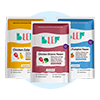







"Clean" dog food, in the context of pet nutrition, refers to food made with whole, identifiable, minimally processed ingredients that are free from artificial preservatives, synthetic flavours, artificial colours, unnamed by-products, starchy fillers, and chemical additives. It is the canine equivalent of clean eating in human nutrition: the principle that food should be recognisable, as close to its whole-food origin as possible, and free from substances added for manufacturing convenience rather than nutritional value. Clean dog food is not a regulated term and has no standardised legal definition, but its meaning is consistent across the pet nutrition community: named animal protein as the primary ingredient, a short and recognisable ingredient list, and nothing in the bowl that you could not identify and explain.
Why does this matter?
-
Clean dog food prioritises ingredient quality over ingredient quantity. A clean food's value comes from the nutritional density and bioavailability of its whole-food components, not from a long list of synthetic vitamins and minerals added back to compensate for what high-heat processing destroyed. When a food is made from quality whole ingredients to begin with, less supplementation is needed, and the nutrients present are in forms the body can actually use.
-
Artificial preservatives like BHA (butylated hydroxyanisole), BHT (butylated hydroxytoluene), and ethoxyquin, are added to dog food to extend shelf life, not to benefit the dog. BHA and BHT are concerns for human health too, according to the International Agency for Research on Cancer. Ethoxyquin, originally developed as a pesticide, is banned in human food in many countries but still permitted in pet food in several markets including India. Clean dog food uses natural preservation methods (refrigeration, freezing, retort packaging) instead.
-
Starchy fillers like corn, wheat, and soy add bulk to dog food at low cost but deliver little bioavailable nutrition to a dog. They inflate the carbohydrate content of the diet without meaningfully contributing to a dog's energy or health, and in sufficient quantities they can contribute to blood sugar dysregulation, obesity, and gut inflammation. Clean dog food has no place for ingredients that are present purely to reduce production cost.
What do vets generally agree on?
Veterinary nutritionists broadly agree that the cleaner and more minimally processed a dog's diet is, the better its nutritional outcomes. The growing body of research on fresh and minimally processed diets consistently shows superior digestibility, better gut microbiome diversity, lower inflammatory markers, and higher nutrient bioavailability compared to heavily processed, additive-laden alternatives. BLEP dog food is clean by every meaningful definition: 100% natural, human-grade ingredients, zero preservatives, zero gluten, zero fillers, gently cooked and sealed in portioned retort packs with no artificial additives of any kind.
When to be careful?
Because "clean" is not a legally defined term in pet food, it can and does appear on products that are not genuinely clean by any meaningful nutritional standard. A food marketed as "clean" that still contains unnamed by-products, or multiple synthetic additives is using the word as a marketing claim, not a nutritional descriptor. Read every ingredient on the label and check the processing practices of the dog food brand before buying.
Sources: