










“Complete and balanced” cat food means that the food is formulated to provide all the essential nutrients a cat requires in the correct proportions for their needs. These nutrients include proteins, fats, fibre, vitamins, minerals, amino acids such as taurine, and other dietary components necessary to support normal health and bodily functions. In practice, this term indicates that a cat could eat that food as the primary diet without requiring additional supplementation, provided it is fed appropriately.
Why does this matter?
-
Cats have highly specific nutritional requirements as obligate carnivores. Unlike humans or even dogs, they rely heavily on nutrients that naturally occur in animal tissues and cannot efficiently produce certain nutrients themselves.
-
A nutritionally incomplete diet may contribute over time to poor coat quality, weight loss or obesity, digestive problems, heart issues, and other long-term health concerns. This is why nutritional balance matters just as much as ingredient quality in cats.
-
Even diets made with high-quality ingredients, such as home-cooked food, may become problematic if they are not properly formulated to meet feline nutritional requirements. When evaluating cat food, it is therefore important to consider nutritional adequacy, ingredient transparency, and how balanced the cat food recipe is.
What do vets generally agree on?
Veterinary nutrition guidance broadly agrees that complete and balanced nutrition is essential for long-term feline health. Cats require specific nutrients, including taurine, arachidonic acid, and vitamin A, from dietary sources to support normal body functions. Nutritional adequacy should always be prioritised when feeding your cat. In fact, AAFCO also emphasises that cat food should be complete and balanced according to a cat’s nutritional needs. Cats require high quality protein to support lean muscle maintenance, essential fatty acids for skin and coat health, and adequate hydration because they naturally have a low thirst drive. Appropriate fibre levels may also help support healthy digestion and bowel movements.
When to be careful?
There are several situations where caution is important:
-
Homemade diets may not automatically be nutritionally complete without formulation guidance.
-
Some complementary or topper-style foods are not designed to be fed as the sole diet long term.
-
Marketing claims alone do not guarantee nutritional adequacy.
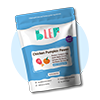
Choosing cat food with clear nutritional information and balanced recipes can help support long-term health for your cat. That’s why BLEP cat food uses only high quality ingredients, which are all balanced properly to suit cats’ needs. They’re rich in protein and moisture, with added fish oil, calcium, etc., to ensure a balanced and complete meal every time.
Sources:
-
https://www.aafco.org/consumers/understanding-pet-food/reading-labels/
-
https://vcahospitals.com/know-your-pet/nutrition-feeding-guidelines-for-cats
-
https://www.aslvets.co.uk/veterinary-services/nutrition-diet/cat-dietary/