







There isn't one "best" daily food that suits every dog. However, veterinarians generally agree that the ideal daily diet is one that is complete and balanced, provides enough high-quality protein, healthy fats, vitamins, minerals, and moisture, and meets your dog's nutritional needs based on their age, size, activity level, and overall health. A good daily diet should also be easy to digest, appropriately portioned, and made from safe, high-quality ingredients. While treats can be 10% of their daily calorie intake (no more!), table scraps or normal human food with salt, sugar and spices should not be fed at all.
Why does this matter?
-
Your dog's diet affects almost every aspect of their health. A balanced daily diet supports healthy muscles, bones, skin, coat, digestion, immunity, and energy levels.
-
Feeding an incomplete or poorly balanced diet over time may increase the risk of nutrient deficiencies or excesses, obesity, digestive problems, and other health issues. In fact, that is one major concern with home-cooked food.
-
Since dogs eat the same food every day, even small nutritional imbalances can add up over months or years. Choosing a nutritionally complete diet is one of the most important decisions a pet parent can make for their dog's long-term health.
What do vets generally agree on?
Veterinarians generally recommend feeding a complete and balanced diet that follows established nutritional standards, such as those developed by AAFCO or FEDIAF. They also encourage pet parents to choose foods made with high-quality ingredients, provide adequate animal protein, and avoid overfeeding. Fresh, properly formulated diets can be an excellent option as long as they are nutritionally complete and handled safely.
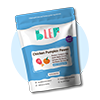
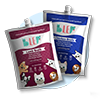
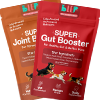
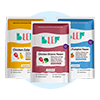
A fresh food such as BLEP dog food aligns well with these principles. It is made with 100% natural, human-grade ingredients, is protein-first, provides complete and balanced nutrition, and contains zero preservatives, zero added sugar, and zero fillers. Because it is gently cooked and naturally moisture-rich, it also helps increase water intake through food while delivering balanced nutrition. Feeding the right amount is equally important, so using the BLEP Dog Diet Calculator can help ensure your dog receives the appropriate daily portions based on their weight, age, and activity level.
When to be careful?
Dogs with medical conditions such as kidney disease, food allergies, pancreatitis, or diabetes may have different nutritional requirements that need specialised diets.
If you're changing your dog's diet, transition gradually over about 9–10 days to help reduce digestive upset. If your dog develops persistent vomiting, diarrhoea, unexplained weight loss, poor appetite, or ongoing skin problems despite eating a balanced diet, consult your veterinarian. These signs may indicate an underlying health condition rather than a problem with the food itself.
Sources