







A dog's gut plays a major role in supporting the immune system. In fact, a large proportion of the body's immune cells are associated with the digestive tract. The gut is home to trillions of beneficial microorganisms, known as the gut microbiome, which help train the immune system, strengthen the gut barrier, and compete with harmful bacteria. When this balance is disrupted (a condition called dysbiosis), dogs may become more prone to digestive problems, inflammation, and certain immune-related conditions. Diet, stress, illness, antibiotics, and age can all affect the gut microbiome.
Why does this matter?
-
A healthy gut helps your dog digest food efficiently while also acting as one of the body's first lines of defence against harmful microbes.
-
Beneficial gut bacteria produce compounds called short-chain fatty acids, help maintain the intestinal lining, and communicate with immune cells to support a balanced immune response.
-
When the gut microbiome is out of balance, dogs may experience recurring digestive upset, poor stool quality, increased inflammation, or reduced resilience after illness. While the gut is only one part of the immune system, keeping it healthy can contribute to your dog's overall wellbeing.
What do vets generally agree on?
Veterinarians generally agree that long-term gut health starts with a complete and balanced diet, while probiotics, prebiotics, postbiotics, and certain gut-soothing ingredients may be helpful in specific situations, such as after antibiotic use, during digestive disturbances, or in dogs with chronic gastrointestinal conditions.
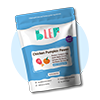
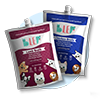
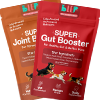
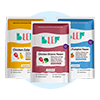
For everyday digestive support, feeding a nutritionally balanced diet such as BLEP dog food provides the foundation for a healthy gut. Dogs that need additional gut support may also benefit from BLEP SUPER Gut Booster gut supplement for dogs, which combines probiotics, prebiotics, postbiotics, digestive enzymes, and gut-supportive ingredients such as PHGG, zinc carnosine, L-glutamine, and tributyrin. Together, these ingredients are designed to help support a healthy gut microbiome, maintain the intestinal barrier, and promote normal digestive and immune function. However, it is intended as a daily nutritional supplement and should not replace veterinary treatment for digestive disease.
When to be careful?
Occasional digestive upset is okay, but recurring diarrhoea, vomiting, weight loss, blood in the stool, severe lethargy, or loss of appetite should never be managed with supplements alone. These signs can indicate infections, parasites, pancreatitis, inflammatory bowel disease, or other medical conditions that require veterinary care.
If your dog has persistent digestive problems or a weakened immune system, consult your veterinarian. Gut-support products can support digestive health, but they are not a substitute for diagnosing or treating an underlying disease.
Sources