







Ultra-processed dog food is food that has been subjected to multiple stages of industrial manufacturing, including high-heat extrusion, rendering, or chemical preservation, to the point where the original ingredients are no longer recognisable in the final product. The term borrows from the NOVA classification system used in human nutrition research, which categorises foods by the extent and purpose of their processing rather than by their nutrient content alone. In practical terms, ultra-processed dog food includes the vast majority of mass-produced, commercial dog food, made with rendered meat meals, meat by-products, artificial preservatives (BHA, BHT, ethoxyquin), synthetic flavours, colourings, and starchy fillers like corn, wheat, and soy.
Why does this matter?
-
Ultra-processing is not a single step but a cascade of industrial interventions that together strip food of much of its natural nutritional value. High-heat extrusion (the process behind highly-processed food) destroys heat-sensitive vitamins, denatures proteins, reduces amino acid bioavailability through the Maillard reaction, and generates Advanced Glycation End Products (AGEs): toxic compounds that accumulate in the body and are associated with chronic inflammation, oxidative stress, and accelerated cellular ageing.
-
The ingredients used in ultra-processed dog food are typically feed-grade, a standard that permits material not considered fit for human consumption: named and unnamed by-products, rendered animal meals, and plant-derived protein concentrates that inflate the crude protein number on the label without delivering equivalent bioavailable protein to the dog.
-
Dogs eating ultra-processed food consume it every single day for their entire lives. The health consequences of a poor diet are not acute; they build gradually and manifest years later as the chronic conditions most commonly seen in middle-aged and senior dogs: skin disease, gut disorders, kidney disease, dental disease, and other chronic issues. The daily bowl is the most powerful health intervention available to a pet parent, which is precisely why the quality of what is in it matters so much.
What do vets generally agree on?
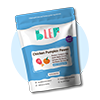
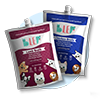
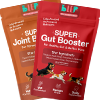
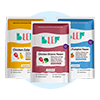
Veterinary nutritionists increasingly apply the NOVA food processing framework to pet nutrition, drawing a meaningful distinction between minimally-processed food (whole ingredients gently cooked at lower temperatures) and ultra-processed food (industrially mass-manufactured products with multiple additives). Studies comparing ultra-processed and fresh dog food consistently show that fresh diets produce better digestibility, lower AGE loads, improved gut microbiome diversity, and superior biomarker profiles. The direction of the evidence is clear and aligns with what has been established in human nutrition: less processing, at lower temperatures, using identifiable whole-food ingredients, produces better health outcomes for the animals consuming the food every day. This is exactly what BLEP fresh dog food stands for. It has 100% natural, named ingredients, zero preservatives and zero fillers.
When to be careful?
Not all processing is harmful: gentle cooking kills pathogens, improves the digestibility of certain proteins, and makes food safe. The distinction that matters is between minimal, low-temperature processing (like cooking) that preserves nutritional integrity and industrial ultra-processing that destroys it. When evaluating any dog food, ask specifically what cooking method was used and at what temperature.
Sources: