
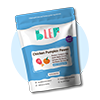
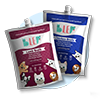
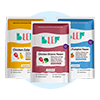







Since antibiotics can temporarily disrupt the balance of beneficial bacteria in the gut, many dogs benefit from easily digestible, highly palatable foods that are gentle on the digestive system and encourage them to keep eating. Adequate hydration is equally important, especially if your dog develops diarrhoea or vomiting while on medication. Some antibiotics are best given with food to reduce stomach irritation, while others should be given on an empty stomach for better absorption. Always follow your veterinarian's instructions or the directions on the medication label.
Why does this matter?
-
Antibiotics don't only affect the harmful bacteria causing an infection, they can also reduce beneficial bacteria that normally live in your dog's intestines. This temporary imbalance may lead to diarrhoea, loose stools, reduced appetite, bloating, or digestive discomfort in some dogs.
-
Supporting gut health during and after antibiotic treatment may help your dog's digestive system recover more quickly, although the primary focus should always remain treating the underlying infection.
What do vets generally agree on?
Veterinarians generally recommend ensuring your dog continues eating a complete and balanced diet, stays well hydrated, and finishes the full course of antibiotics exactly as prescribed, even if they appear to feel better. There is also growing evidence that certain probiotics may help reduce the risk of antibiotic-associated diarrhoea. One of the best-studied options is Saccharomyces boulardii, a beneficial yeast that is not affected by antibiotics, allowing it to continue supporting the gut microbiome during treatment. Unlike many bacterial probiotics, it does not need to survive the antibiotic itself.
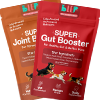
BLEP SUPER Gut Booster gut supplement for dogs contains Saccharomyces boulardii, along with multiple probiotic strains, prebiotics, postbiotics, digestive enzymes, and gut-supporting ingredients such as zinc carnosine and L-glutamine. Used alongside a complete and balanced diet like BLEP dog food, it may help support digestive health and maintain a healthier gut environment during and after antibiotic treatment. However, supplements should complement, not replace, the treatment plan recommended by your veterinarian.
When to be careful?
Never stop antibiotics early because your dog seems better, as this can contribute to treatment failure and antimicrobial resistance. Likewise, don't give human antibiotics or probiotics to your dog either.
If your dog develops severe diarrhoea, repeated vomiting, refuses food, becomes lethargic, has blood in the stool, or their original illness worsens while taking antibiotics, contact your veterinarian promptly. These signs may indicate that the medication needs to be reviewed or that further treatment is required.
Sources