






A pregnant dog should be fed a complete and balanced diet formulated for growth, reproduction, gestation and lactation, or an appropriate all-life-stages diet. During the first two-thirds of pregnancy, her calorie needs are usually similar to those of a healthy adult dog, so overfeeding should be avoided. From around the sixth week, her energy and nutrient requirements increase rapidly, and a highly digestible, energy-dense diet fed in several small meals is generally recommended.
Why does this matter?
-
Pregnancy increases the nutritional demands on a dog's body, particularly during the last third of pregnancy, when the puppies grow rapidly.
-
Both underfeeding and overfeeding can be harmful. Too little nutrition can affect fetal development and puppy birth weight, while excessive weight gain can increase the risk of difficult delivery and other complications.
-
A pregnant dog also has less physical space for food as the puppies grow. This is why smaller, more frequent meals can help her consume enough calories without having to eat a very large meal at once.
-
Nutrition becomes even more demanding after birth. During peak lactation, a nursing dog may need two to four times her normal maintenance calories, depending on litter size and other factors.
What do vets generally agree on?
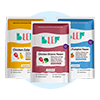
Choose a diet that is complete and balanced, specifically suitable for gestation and lactation, growth and reproduction. Or, you can get an all life stages diet like BLEP dog food. These diets are designed to provide the higher nutrient requirements of pregnancy and nursing.
A practical approach is:
-
Early pregnancy: Continue an appropriate complete and balanced diet and avoid unnecessary increases in food unless your veterinarian recommends them. A healthy dog's energy requirements are generally similar to adult maintenance during the first two-thirds of pregnancy.
-
Around week 6 onward: Gradually increase food as her energy requirements rise. The exact amount depends on her body condition, litter size and the food's calorie density.
-
Final weeks: Feed several smaller meals rather than relying on one or two large meals. A highly digestible, nutrient- and energy-dense diet can make it easier for her to meet her needs despite reduced stomach space.
-
During nursing: Continue with an appropriate growth or gestation/lactation diet or an all life stages diet that has been adjusted to suit her needs. This is because milk production places extremely high energy demands on the mother.
DHA, an omega-3 fatty acid, is also important during reproduction and supports normal development of the puppies' brain and vision. A complete diet formulated for pregnancy and lactation should provide the required nutrients, so routine supplementation is generally unnecessary unless your veterinarian recommends it.
When to be careful?
Do not start calcium, vitamin or mineral supplements on your own. A complete and balanced diet should provide the required nutrients, and unnecessary supplementation can sometimes be harmful. Merck specifically notes that additional calcium, phosphorus and vitamin D are rarely necessary with appropriate complete diets and may be contraindicated.
Avoid deliberately overfeeding your dog during early pregnancy because you want her to "eat for the puppies." Excessive weight gain can increase the risk of difficult delivery. At the same time, intentional calorie restriction or weight loss during pregnancy should also be avoided unless it is specifically managed by a veterinarian.
If you need to change her food, transition gradually rather than making a sudden switch. Monitor her body weight, body condition, appetite and overall health throughout pregnancy.
Pregnancy and lactation are nutritionally demanding, so your veterinarian should ideally be involved in planning the diet, particularly if your dog is underweight, overweight, carrying a large litter, has an existing health condition, or is not eating normally.
Sources