







A dog recovering from illness, digestive upset, surgery, stress, or reduced appetite may require food that is gentle, digestible, nutritionally balanced, and appropriate for their medical condition. Recovery diets are often designed to support hydration, energy intake, digestive comfort, and gradual return to normal feeding routines while avoiding excessive digestive strain. Bland diets like high-quality chicken and rice are good for dogs during recovery.
The ideal recovery diet can vary depending on the underlying issue. Some dogs recovering from mild digestive upset may temporarily benefit from simpler, easily digestible meals, while dogs recovering from surgery, infections, or chronic illness may require more specialised nutritional support under veterinary guidance. Maintaining adequate hydration, calorie intake, and digestibility is generally considered especially important during recovery periods.
Many veterinarians also recommend avoiding sudden introduction of rich treats, heavily processed snacks, or excessive table scraps during recovery, since digestive sensitivity may temporarily increase during illness or stress.
Why does this matter?
• Recovery nutrition may help support hydration, digestion, and energy intake.
• Easily digestible foods are often preferred during digestive recovery.
• Proper nutrition can play a role in maintaining muscle condition and overall wellbeing during recovery periods.
• Overly rich or abrupt dietary changes may worsen digestive discomfort in sensitive dogs.
• Nutritional needs during recovery may vary depending on the underlying medical condition.
What do vets generally agree on?
Veterinary nutrition experts generally agree that recovery diets should prioritise digestibility, balanced nutrition, hydration, and appropriate calorie intake based on the dog’s medical needs. Easily digestible protein sources and controlled fat levels are commonly recommended in many recovery feeding approaches.
Experts also commonly emphasise that feeding recommendations may differ depending on whether the dog is recovering from gastrointestinal illness, surgery, infection, pancreatitis, or another medical issue. Veterinary guidance is often especially important for prolonged illness or medically complex cases.
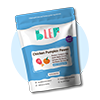
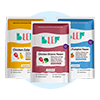
Simple fresh-style dog food, such as BLEP Chicken Rice Fresh Dog Food may be given to dogs in recovery. It is highly digestible and made of high-quality chicken. Plus, it is balanced with vitamins and minerals required for healthy bodily processes.
When to be careful?
Pet parents should avoid assuming that all recovery situations can be managed with home remedies or bland diets alone. Persistent vomiting, diarrhoea, refusal to eat, weakness, dehydration, abdominal pain, or rapid weight loss may require immediate veterinary attention.
It is also important not to feed excessive treats or heavily processed food during recovery periods. Dogs recovering from pancreatitis, surgery, chronic disease, or severe gastrointestinal illness may require specially formulated veterinary diets. Sudden diet changes during recovery should also be avoided.
Sources:
-
https://www.specific-diets.co.uk/dog/health-conditions-in-dogs/recovery-food-for-dogs
-
https://www.scirp.org/journal/paperinformation?paperid=45130
-
https://companionanimalrehab.com/the-role-of-nutrition-in-pet-rehabilitation-and-recovery/
-
https://sashvets.com/diseases/nutritional-requirements-for-canine-pancreatitis-patients/
-
https://mypetnutritionist.com/post/nutrition-for-the-recovering-dog/