






Many common vegetables are safe for dogs when they are plain, cooked and given in small amounts. Carrot, green beans, pumpkin, cucumber, peas, and sweet potato are good options. Onion, garlic, chives, and wild mushrooms are dangerous, and raw potato skin and green stems should be avoided.
Why does this matter?
Vegetables can add fibre, water, and vitamins to a dog’s day, and they make useful low-calorie treats. Many Indian households already cook vegetables that dogs can share, such as plain lauki (bottle gourd), tori (ridge gourd), kaddu (pumpkin), and palak (spinach). The problem is the seasoning. A bowl of leftover sabzi often contains onion, garlic, and heavy spices, all of which can make harmless vegetables unsafe for dogs. Knowing which vegetables are safe, and which ingredients to keep out, prevents most problems.
What do vets generally agree on?
Vets broadly agree that a complete dog food already supplies the nutrients a dog needs. So, vegetables should be an extra, not a replacement. Onions, garlic, and chives belong to the Allium family and can damage red blood cells, and the risk applies to cooked, powdered, and raw forms alike. Wild mushrooms can be toxic, and the green parts of potato and tomato plants contain compounds that can upset the stomach.
Cooked, plain vegetables are generally well tolerated in small amounts. Spinach and broccoli are best given sparingly, as they can cause gas or stomach upset in some dogs. Start with a small piece, and introduce any new vegetable slowly to watch for loose stools. Vets also warn against oil, butter, salt, and seasoning, since these add calories and can upset the digestive system.
When to be careful?
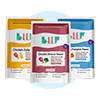
Keep onion, garlic, and chives out of every home-cooked dish you share with your dog, including tadka-style dal and sabzi. If your dog eats any of these, or shows vomiting, weakness, pale gums, or dark urine, contact your vet promptly, as symptoms can be delayed. Cut vegetables into small pieces to avoid choking, especially for small dogs. A healthy, 100% natural dog food should already contain some veggies in the proportion that’s good for dogs, like BLEP dog food does. Try a meal like that instead of measuring out how much vegetables are good for dogs every day.
Sources
-
Humane World for Animals, “Plants and Foods Can Be Poisonous to Pets”: https://www.humaneworld.org/resources/plants-and-food-can-be-poisonous-pets
-
Rover, “Can Dogs Eat Carrots?” (veterinary input on feeding in moderation): https://www.rover.com/blog/can-dogs-eat-carrots/
-
World Small Animal Veterinary Association (WSAVA), “Feeding Treats to Your Dog”: https://wsava.org/wp-content/uploads/2024/06/Feeding-treats-to-your-dog-v2.pdf