







Prescription (or "veterinary therapeutic") diets are formulated to help manage a specific diagnosed medical condition, not to offer general extra nutrition. They come into the picture when a vet identifies a condition where the food itself functions as part of the treatment, alongside or sometimes instead of medication. The most common scenarios are kidney disease, urinary crystals or stones, food allergies needing a hydrolyzed or novel protein, chronic digestive disorders, diabetes, certain heart conditions, and significant obesity that hasn't responded to a regular diet and exercise plan.
Why does this matter?
For a condition like kidney disease, the diet isn't a nicety, it's doing real physiological work: therapeutic renal diets are lower in phosphorus and often moderate in protein specifically to reduce the workload on already-struggling kidneys, and they're formulated to help manage acid-base balance in a way regular food isn't. For urinary stones or crystals, the food is designed to control mineral content and urine pH precisely enough to dissolve or prevent certain stone types. In these situations, getting the diet wrong isn't just a missed opportunity, it can actively work against the treatment or, in the case of urinary blockages, be dangerous.
What do vets generally agree on?
-
A prescription diet is only appropriate for the specific condition it's formulated for. Feeding a kidney diet to a healthy dog, or a urinary diet to a dog without stones or crystals, isn't beneficial and can mean the dog misses out on nutrient levels a healthy dog actually needs, since these diets deliberately restrict or emphasise certain nutrients for a diseased state.
-
These diets require veterinary oversight because they're one part of a broader treatment plan. A vet needs to diagnose the actual condition (for example, confirming what type of urinary stone is present) before recommending the right formula, since different stone types need different, sometimes opposite, dietary approaches.
-
Not every condition needs a prescription-specific product. Mild sensitivities or manageable weight issues can sometimes be handled with a well-chosen regular commercial diet under a vet's guidance, while more acute or serious conditions, like idiopathic cystitis or confirmed kidney disease, genuinely need the therapeutic formula.
-
If a dog refuses to eat a prescription diet, that's worth solving with the vet's help (trying different textures, flavours, or formulations, or a short-term appetite stimulant) rather than switching back to a regular diet on your own, since consistency matters for these diets to work.
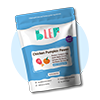
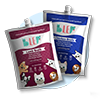
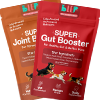
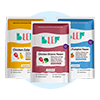
Prescription dog food doesn't mean that it’s automatically the best dog food. Healthy dogs that are struggling with everyday nutritional gaps can benefit greatly from a well-formulated, high quality diet like BLEP dog food. In fact, feeding a dog, say, a prescription diet for kidney disease when they don’t actually don’t have a kidney disease, can backfire and create a deficiency of protein as these diets may be a little lower in protein.
When to be careful?
-
Never start or stop a prescription diet without your vet's involvement, even if your dog seems to be doing fine. Some conditions, like kidney disease, progress silently, and stopping the therapeutic diet can undo real progress.
-
Don't assume a regular "urinary support" or "kidney friendly" commercial food is equivalent to a vet-prescribed therapeutic diet. The nutrient precision needed for actual disease management for an advanced condition usually requires the formulation and monitoring that comes with a genuine prescription diet.
-
If you notice signs like straining to urinate, blood in urine, persistent vomiting or diarrhea, unexplained weight loss, or excessive thirst and urination, see a vet rather than guessing at a diet change, since these can point to conditions where diet is only part of the treatment.
Sources:
-
https://www.eliteveterinarycare.com/blog/prescription-diets-for-pets
-
https://www.dvm360.com/view/renal-diets-veterinary-patients-what-feed-and-when-start